Heart-Healthy Lifestyle: How Diet, Exercise and Sleep Go Hand in Hand


Heart-Healthy Lifestyle: How Diet, Exercise and Sleep Go Hand in Hand
A healthy heart isn’t just about cutting down on fatty foods or going for the occasional jog. True heart health comes from the balance between what you eat, how you move, and how well you rest. When diet, exercise and sleep work together, they create a rhythm that supports both body and mind – giving you more energy and resilience in everyday life. Here’s how to bring them into harmony.
Diet – Fuel for the Heart
Your heart works tirelessly, and it needs the right kind of fuel to keep going. A heart-healthy diet isn’t about strict rules, but about making choices that nourish your body and protect your arteries.
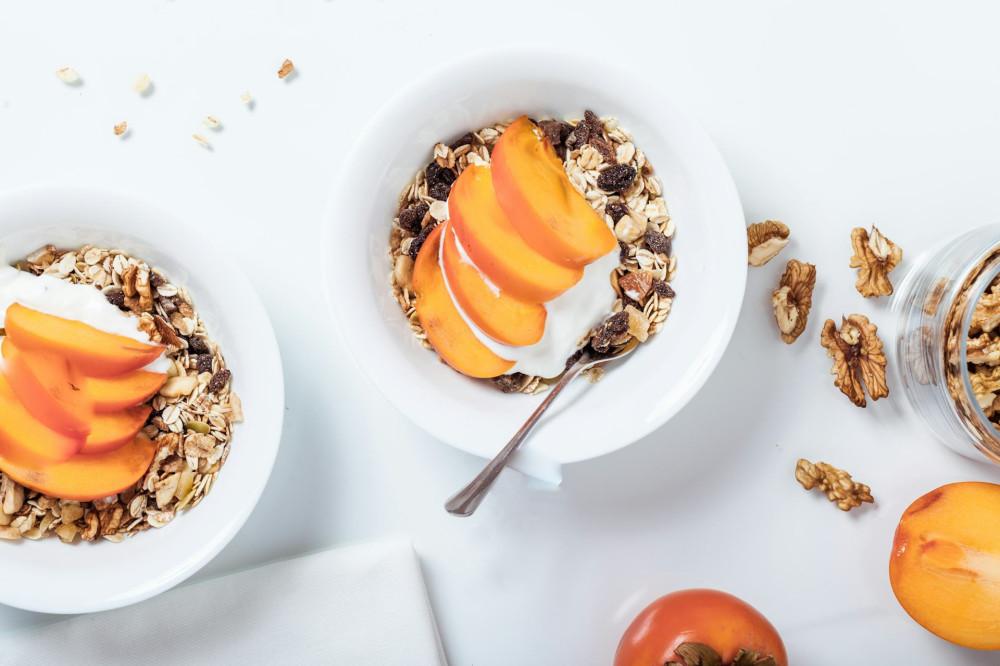
- Eat plenty of fruit and vegetables. Aim for a variety of colours – they’re packed with vitamins, fibre and antioxidants that help lower cholesterol and protect blood vessels.
- Choose healthy fats. Swap butter and processed oils for olive oil, nuts, seeds and oily fish such as salmon, sardines or mackerel.
- Watch your salt and sugar intake. Too much salt can raise blood pressure, while excess sugar contributes to inflammation and weight gain.
- Opt for wholegrains. Wholemeal bread, oats and brown rice help maintain steady energy levels and support heart health.
Small, consistent changes – like choosing water over fizzy drinks or adding an extra portion of veg to your dinner – can make a big difference over time.
Exercise – Training the Heart
The heart is a muscle, and like any muscle, it gets stronger when you use it. Regular physical activity improves circulation, lowers blood pressure and helps manage stress.
You don’t need to run marathons to see results. What matters most is moving regularly and finding activities you enjoy:
- Aim for at least 150 minutes of moderate activity per week. Brisk walking, cycling, swimming or dancing all count.
- Include strength training twice a week. It helps maintain muscle mass and supports healthy blood sugar levels.
- Make movement part of your day. Take the stairs, walk to the shops, or stretch during TV breaks.
The key is consistency. When exercise becomes a natural part of your routine, it’s easier to stick with – and your heart will thank you for it.
Sleep – The Heart’s Recovery Time
Sleep is often the forgotten pillar of a healthy lifestyle, yet it’s vital for heart health. During sleep, blood pressure drops, the heart rate slows, and the body repairs itself. Too little or poor-quality sleep can increase the risk of high blood pressure, weight gain and stress – all of which strain the heart.
To give your body the rest it needs:
- Aim for 7–8 hours of sleep each night. Most adults function best within this range.
- Keep a regular sleep schedule. Go to bed and wake up at the same time every day, even on weekends.
- Limit screens and caffeine in the hours before bedtime to help your body wind down naturally.
- Create a calm environment. A cool, dark and quiet bedroom supports deeper, more restorative sleep.
When you sleep well, you’re more likely to eat better and stay active – and the cycle continues in your favour.
The Connection – When Habits Work Together
The real power lies in the combination. A good night’s sleep gives you energy to move, exercise improves sleep quality, and a balanced diet supports recovery and stamina. When you nurture all three, you create a positive cycle where each habit strengthens the others.
Start small. Perhaps take a short walk after dinner, swap sugary snacks for fruit, or head to bed half an hour earlier. Over time, these small steps build into a lifestyle that supports a strong, healthy heart.
Læs også:



A Strong Heart, a Better Life
Heart health isn’t just about living longer – it’s about living better. By giving your body what it needs through nourishing food, regular movement and proper rest, you’ll feel more energised, balanced and ready to enjoy life. A heart-healthy lifestyle isn’t a quick fix; it’s a lasting investment in your wellbeing every single day.
Læs også: