Strong Bones for Life: How Small Changes Can Boost Your Bone Health


Strong Bones for Life: How Small Changes Can Boost Your Bone Health
Our bones form the sturdy yet living framework that supports us, protects our organs, and stores essential minerals such as calcium and phosphorus. Though they may seem solid and unchanging, bones are constantly renewing themselves – and they can weaken over time if we don’t look after them. The good news is that even small lifestyle changes can make a big difference to bone health, whatever your age.
Bones Are Living Tissue
It’s easy to think of bones as hard and lifeless, but they are in fact dynamic, living tissue. Specialised cells continuously break down old bone and build new bone in its place. This balance keeps bones strong and resilient.
During childhood and adolescence, bone mass increases rapidly, reaching its peak around the age of 30. After that, the focus shifts to maintaining what we have. Diet, physical activity, hormones, and lifestyle all play key roles in this process.
Eat Your Way to Stronger Bones
Nutrition is one of the most important foundations for healthy bones. It’s not just about calcium – a range of nutrients work together to keep bones strong.
- Calcium is found in dairy products such as milk, cheese, and yoghurt, as well as in leafy greens like kale and broccoli, almonds, and calcium-fortified plant-based drinks.
- Vitamin D helps the body absorb calcium. In the UK, sunlight is the main source, but from October to March, the sun isn’t strong enough for our skin to make enough. Public Health England therefore recommends a daily vitamin D supplement during these months.
- Protein supports bone structure and repair. Include both animal and plant-based sources such as fish, eggs, beans, lentils, and nuts.
- Magnesium and vitamin K help calcium bind properly within the bone. You can find them in wholegrains, nuts, seeds, and green vegetables.
Think of a bone-friendly diet as part of an overall healthy lifestyle – balanced, colourful, and rich in fresh, varied foods.
Movement That Builds Strength from Within
Exercise is one of the most effective ways to maintain bone strength. When we move and put weight on our bodies, bone cells are stimulated to produce new tissue. In other words, physical activity can literally make bones stronger.
- Weight-bearing activities such as walking, running, dancing, and climbing stairs are particularly beneficial.
- Strength training helps build muscle, which supports and protects bones.
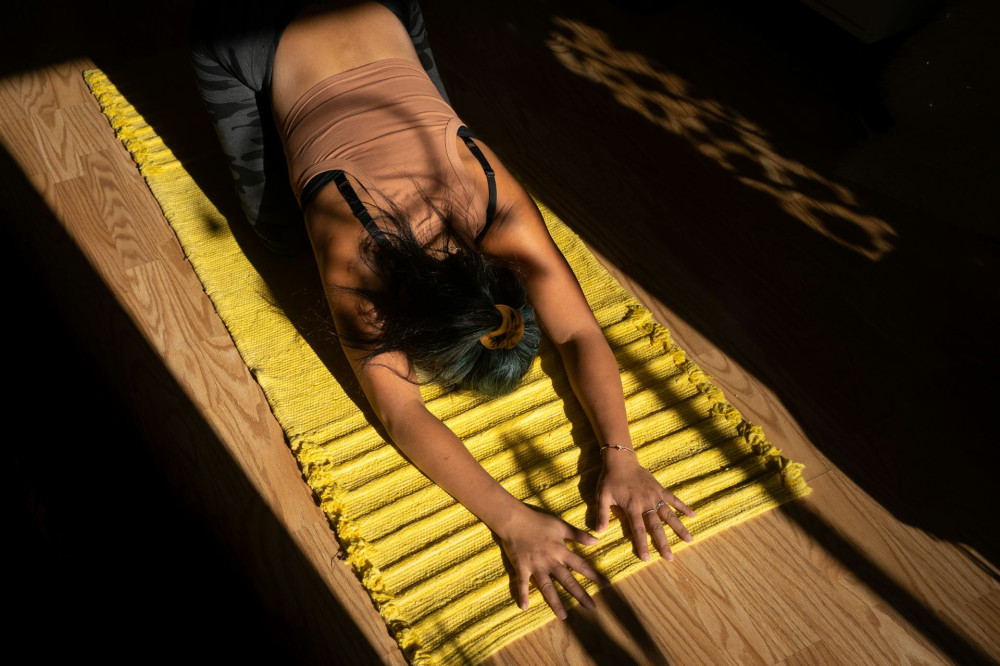
- Balance exercises like yoga, Pilates, or tai chi can reduce the risk of falls – especially important as we get older.
Even small changes count: take the stairs instead of the lift, walk to the shops, or do a few squats while the kettle boils. Consistency matters more than intensity.
Læs også:



Lifestyle Matters
Certain habits can weaken bones over time. Smoking reduces blood flow to bone tissue, and excessive alcohol can interfere with the body’s ability to absorb calcium. Very restrictive diets or low calorie intake can also harm bone health by depriving the body of essential nutrients.
Sleep and stress management are often overlooked but equally important. Chronic stress and lack of sleep can disrupt hormones that influence bone renewal. A regular sleep routine and time for relaxation benefit both mind and skeleton.
Women’s Bone Health Needs Extra Care
After the menopause, levels of oestrogen – a hormone that protects bone density – drop significantly. This increases the risk of osteoporosis. Women in this stage of life should pay particular attention to diet, exercise, and, if advised by a GP, have their bone density checked.
Early prevention makes a real difference. The stronger your bones are before menopause, the better protected you’ll be against age-related bone loss.
Small Steps, Big Impact
Building stronger bones doesn’t require drastic changes. It’s about developing good habits over time. A handful of nuts, a brisk daily walk, or a few minutes of strength training may seem minor, but the benefits add up.
Bone health is an investment in your future – because strong bones mean freedom to move, travel, play with your grandchildren, and live life to the fullest at every age.
Læs også: