Trousers with Freedom: Cuts and Details that Allow Movement in Everyday Life

Trousers with Freedom: Cuts and Details that Allow Movement in Everyday Life
Trousers are no longer just a practical garment – they’ve become a symbol of comfort, confidence, and personal style. In a daily routine that moves between commuting, work, leisure, and social life, we expect our clothes to keep up. Trousers should move with the body, not against it. But what exactly makes a pair of trousers comfortable and flexible – without compromising on appearance?
Cuts that Follow the Body
A good cut is the foundation of trousers that offer freedom. It’s not only about size, but about shape. Modern designers are increasingly working with ergonomic lines that take into account how the body bends, stretches, and sits throughout the day.
- A mid- or high-rise waist with a flexible waistband provides support without digging in.
- Tapered or straight legs create a clean silhouette while allowing ease of movement.
- Articulated knees and shaped hips give extra room where it’s needed most, especially in trousers designed for active use.
Ultimately, a good cut is about balance – between structure and movement, between form and function.
Læs også:
Fabrics that Work with You
The choice of fabric has a huge impact on how trousers feel in everyday wear. The most comfortable designs combine natural fibres with a touch of stretch, offering flexibility without losing shape.
- Cotton with elastane is a timeless choice for everyday trousers – breathable, soft, and easy to move in.
- Lyocell or viscose blends drape beautifully and feel smooth against the skin, ideal for office wear or city life.
- Wool blends can be surprisingly comfortable all year round, regulating temperature and maintaining their shape.
Many British and European brands are now focusing on sustainable materials – organic cotton, recycled fibres, and responsibly sourced wool – giving you not only physical freedom but also peace of mind.
Details that Make the Difference
Small design details can have a big impact on comfort. A hidden elastic panel in the waistband, a gusset at the crotch, or a discreet ankle zip can make trousers far more adaptable in daily use.
Pocket placement also matters – pockets that are too deep or too high can distort the fit, while well-positioned ones add both practicality and a flattering line.
Even the stitching plays a role: flat seams reduce friction, and reinforced stitching adds durability without stiffness.
From Office to Weekend – Without Changing
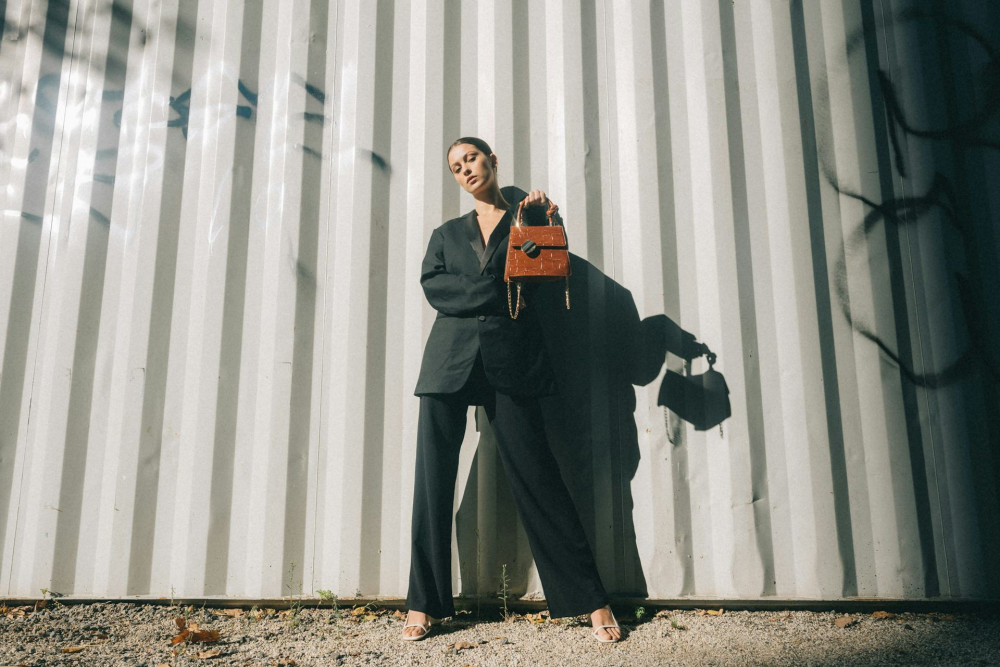
One of the strongest trends in modern fashion is versatility. So-called “hybrid trousers” combine the smart look of tailored trousers with the comfort of sportswear.
Paired with trainers and a relaxed shirt, they’re perfect for a casual workday. Add boots and a blazer, and they’re ready for dinner or a meeting. The goal is flexibility – not just in the fabric, but in your entire wardrobe.
How to Find Your Trousers with Freedom
When trying on trousers, don’t just stand still – move in them. Sit down, take a few steps, lift your leg. Notice whether the fabric follows your movement. Look for:
- Stretch that feels natural, not synthetic.
- A waistband that fits snugly but doesn’t pinch.
- A cut that allows room at the hips and thighs without losing shape.
It’s tempting to choose based on looks alone, but true comfort only reveals itself in motion. The best trousers are the ones you forget you’re wearing.
Freedom as a Fashion Ideal
Today, fashion is not only about looking good – it’s about feeling good. Trousers with freedom represent a new way of thinking about clothing: as something that supports your life, not restricts it.
When cut, fabric, and detail come together, they create that effortless sense of ease – whether you’re cycling through the city, sitting at your desk, or strolling through the park.
Freedom in clothing is, in the end, freedom in everyday life.
Læs også: