Understanding Your Child’s Attachment Style – and What It Means for Your Everyday Life

Understanding Your Child’s Attachment Style – and What It Means for Your Everyday Life
Why does your child cling to you when you leave the room, while another seems perfectly fine waving goodbye? Why do some children seek constant reassurance, while others appear more independent or withdrawn when upset? The answer often lies in their attachment style. Understanding it can give you valuable insight into how to support your child’s emotional development and create a sense of security in everyday life.
What Is Attachment?
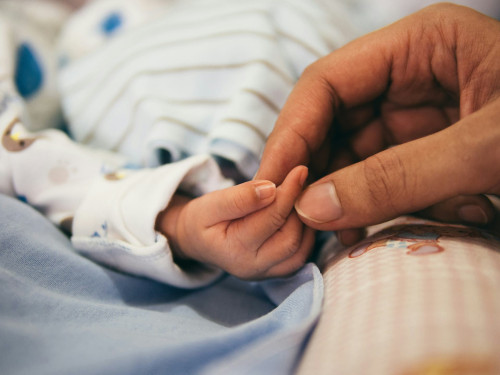
Attachment refers to the emotional bond that forms between a child and their primary caregivers – usually parents. Through this relationship, a child learns whether the world is a safe place and whether they can rely on others for comfort and help.
The concept was first developed by British psychiatrist John Bowlby, who described attachment as a biological need: children seek closeness to survive and feel safe. Later research has shown that the quality of this attachment has a lasting impact on a child’s confidence, emotional wellbeing, and ability to form healthy relationships later in life.
The Four Main Attachment Styles
All children form attachments, but the way they do so can differ. Psychologists often describe four broad attachment styles:
- Secure attachment – The child feels loved and protected. They are confident to explore the world, knowing their parent will be there if something goes wrong.
- Avoidant attachment – The child has learned that comfort is not always available. They may appear independent but often suppress their emotions underneath.
- Ambivalent (or anxious) attachment – The child experiences inconsistency: sometimes the parent is responsive, sometimes not. This can lead to clinginess and a constant need for reassurance.
- Disorganised attachment – The child finds the caregiver both a source of comfort and fear, often due to trauma or unpredictable behaviour. This can result in confused or contradictory reactions.
It’s important to remember that attachment styles are not fixed labels. They reflect patterns that can change over time, especially when a child experiences consistent care and understanding.
How Attachment Shows Up in Everyday Life
Attachment becomes visible in small, everyday moments – when your child falls over, gets frustrated, or says goodbye at nursery or school. A securely attached child seeks comfort, calms down, and then returns to play. An avoidant child might withdraw and seem unaffected, while an ambivalent child may cry for a long time and struggle to let go.
As a parent, noticing these patterns can be incredibly helpful – not to judge, but to understand. When you look beyond the behaviour, it becomes easier to respond with empathy and calm.
Læs også:



How to Strengthen Secure Attachment
The good news is that attachment isn’t about being a perfect parent – it’s about being a “good enough” one. Research shows that children develop secure attachment when parents are generally able to notice and respond to their needs. Here are some simple principles:
- Be present and attentive. Notice your child’s signals – both words and body language – and show that you see and understand them.
- Offer comfort and reassurance. When your child is upset, they need your calm presence more than quick fixes or lectures.
- Be predictable. Routines and consistency help children feel safe and know what to expect.
- Talk about feelings. Help your child put words to their emotions: “I can see you were scared.” This teaches them that feelings are normal and manageable.
- Forgive yourself. Every parent loses patience sometimes. What matters most is repairing the connection afterwards – that process actually strengthens the bond.
When Attachment Feels Challenging
Life’s pressures – stress, illness, separation, or financial worries – can make it hard to be emotionally available. If you feel stuck in negative patterns or notice that your child’s reactions are intense or confusing, it may help to speak with a family therapist, health visitor, or child psychologist. Professional support can offer new perspectives and practical tools to rebuild a sense of safety.
Attachment as a Lifelong Journey
Attachment doesn’t end in childhood. It continues to shape how we relate to others throughout life – in friendships, romantic relationships, and even in our own parenting. By understanding your child’s attachment style, you may also gain insight into your own patterns and have the chance to change them.
Ultimately, building secure attachment is about showing your child that they are loved – not only when they are cheerful and cooperative, but also when they are angry, frightened, or sad. That sense of unconditional safety becomes the foundation for a life built on trust – in themselves and in others.
Læs også: