Wedding Day Photography: Plan Time for Both Portraits and Candid Moments

Wedding Day Photography: Plan Time for Both Portraits and Candid Moments
Your wedding day will be filled with moments that pass in a heartbeat – from the quiet excitement of getting ready to the laughter and dancing late into the night. For many couples, the photographs are among the most treasured keepsakes from the day, so it’s worth thinking carefully about how to plan your photography. Striking the right balance between posed portraits and candid shots ensures that both the atmosphere and the emotions are captured for years to come.
Portraits – timeless images to treasure
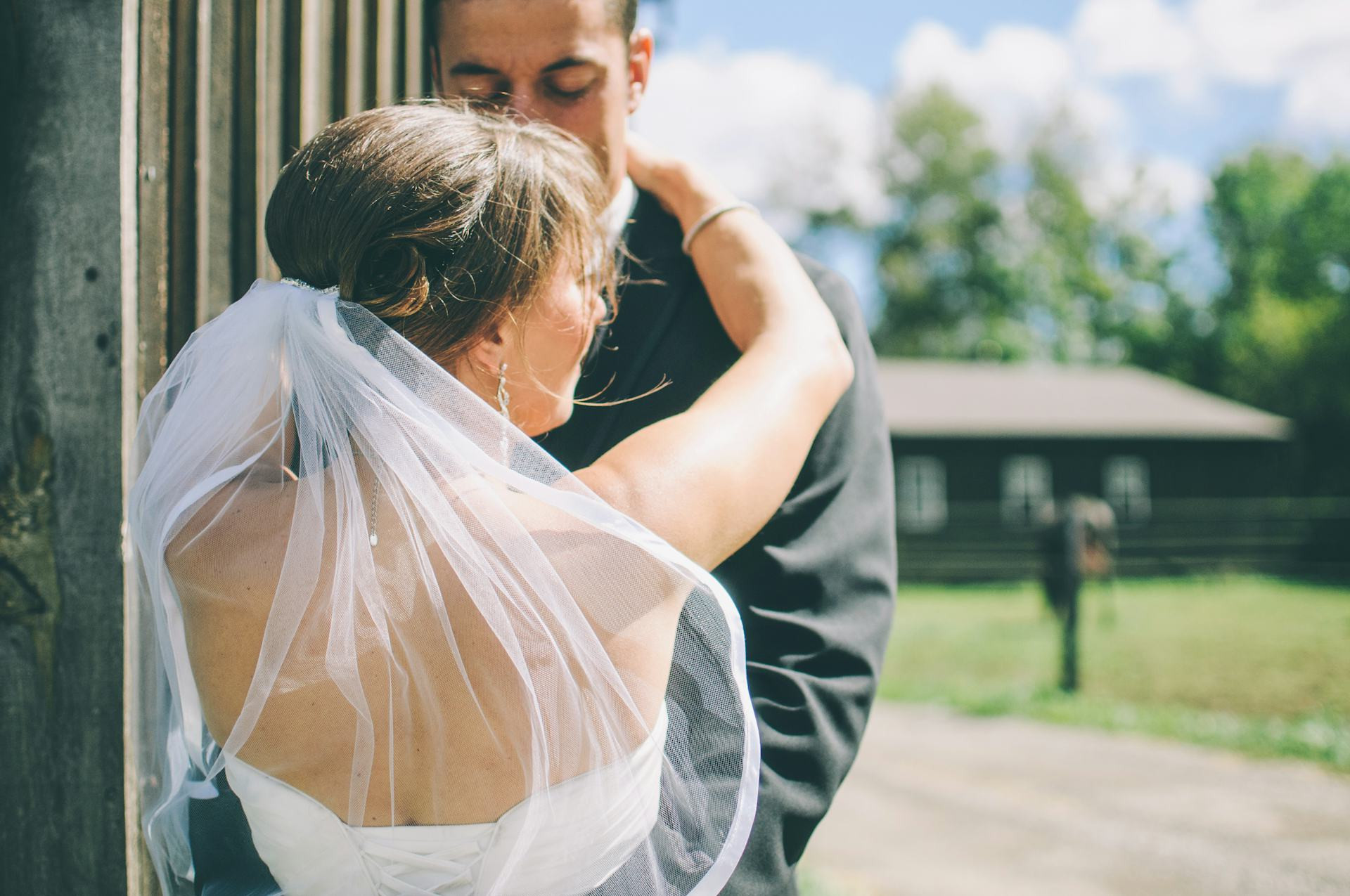
The formal portraits are often the photographs that end up framed on the wall or printed in your album. They show you at your best – dressed up, in love, and full of anticipation. But even the most natural-looking portraits take time and calm to create.
Set aside at least 45 minutes to an hour for your portrait session. This gives your photographer the chance to work with light, background, and composition without anyone feeling rushed. Consider choosing a location that means something to you – perhaps a nearby park, a historic garden, or the place where you first met.
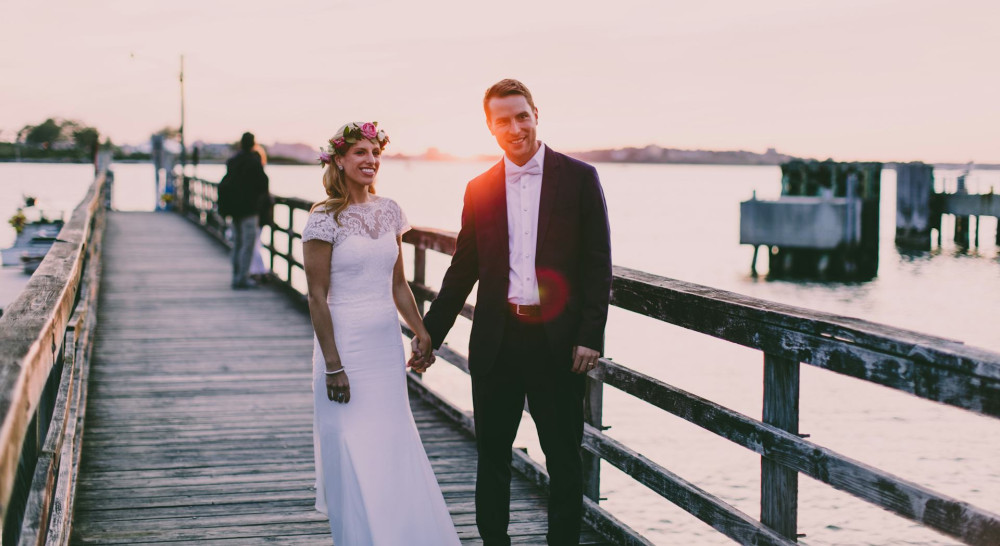
If you don’t want to be away from your guests for too long, you could plan a short session straight after the ceremony and another later in the day when the light is softer. The “golden hour” before sunset often produces the most flattering and romantic images.
Candid moments – capturing the real story
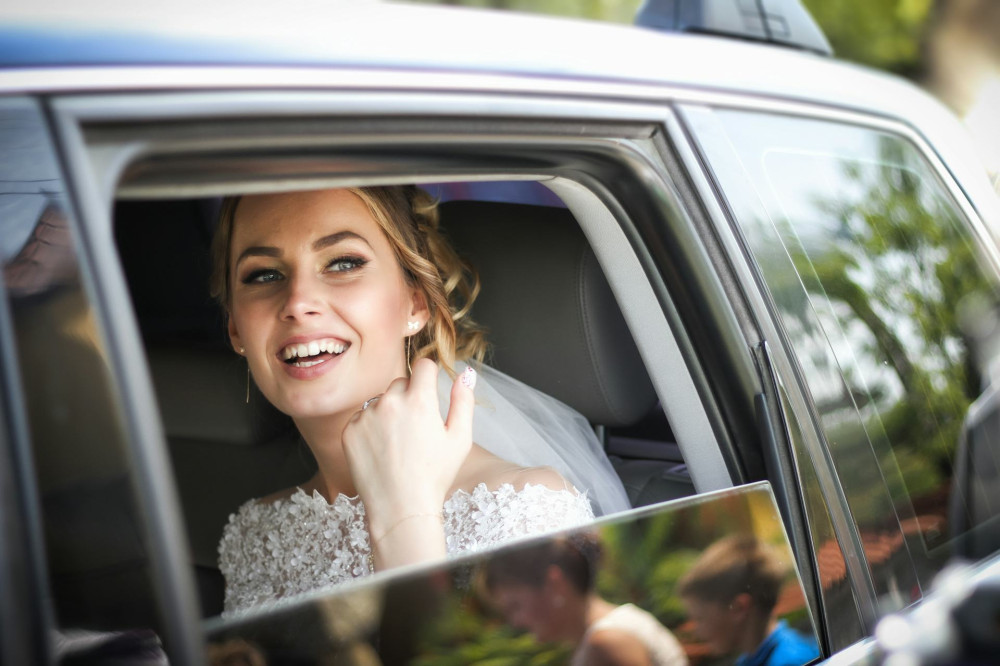
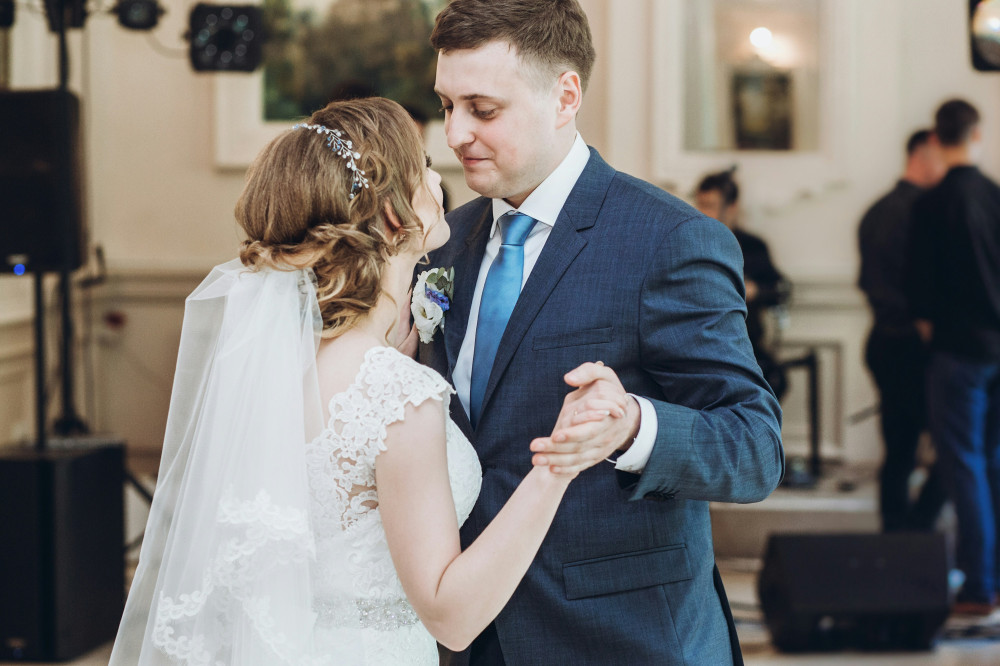
While portraits show how you want to be remembered, candid photographs capture how the day truly felt. They reveal the laughter during speeches, the tears during the vows, the children dancing, and the quiet gestures between loved ones. These are the images that tell the story of your wedding as it unfolded.
To get the best candid shots, your photographer needs the freedom to move around and observe. It’s worth choosing someone who works in a documentary or reportage style – capturing events naturally rather than staging them. The more relaxed you and your guests are, the more genuine the photos will be.
You might also consider having your photographer present from the morning preparations through to the first part of the evening. This allows them to document the full narrative of the day, from the anticipation to the celebration.
Læs også:

Planning and communication with your photographer
A great wedding photographer is not just a technician but a storyteller. That’s why it’s important to have a detailed conversation before the big day. Share what matters most to you – whether it’s the classic portraits, the atmosphere among your guests, or the small details like flowers and table settings.
Create a timeline together so your photographer knows when there will be opportunities for portraits and when to focus on candid moments. Be prepared to stay flexible, though – some of the best photographs happen when plans change and something unexpected occurs.
It can also help to appoint a friend or family member to assist with gathering people for group shots. This saves time and keeps the process relaxed.
Light, weather, and backup plans
Light is a photographer’s most important tool, and it changes constantly throughout the day. If you’re having an outdoor ceremony or reception, think about where the sun will be at that time. Direct sunlight can create harsh shadows, while overcast skies often provide soft, flattering light.
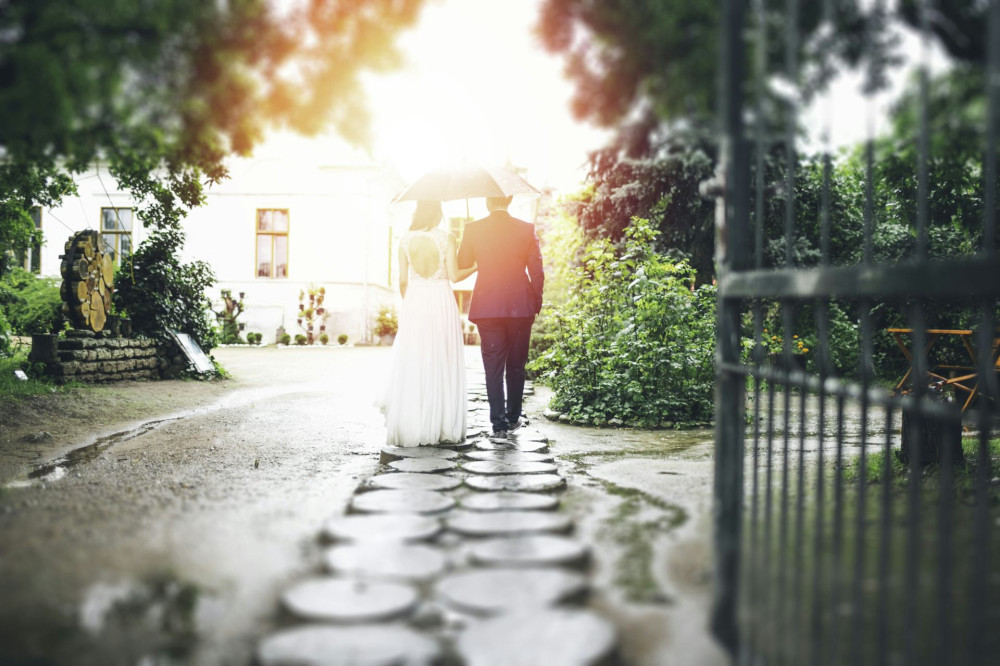
Always have a backup plan in case of rain – this is Britain, after all. A beautiful indoor location such as a conservatory, a staircase, or a room with large windows can be just as atmospheric as a garden or courtyard. An experienced photographer will know how to make the most of any conditions.
Make time to pause and be present
Your wedding day will fly by, and it’s tempting to fill every minute with activity. But the most meaningful photographs often come from the quiet moments – when you take a breath, look at each other, and simply enjoy being together. Build small pauses into your schedule so you can savour the day without feeling constantly on show.
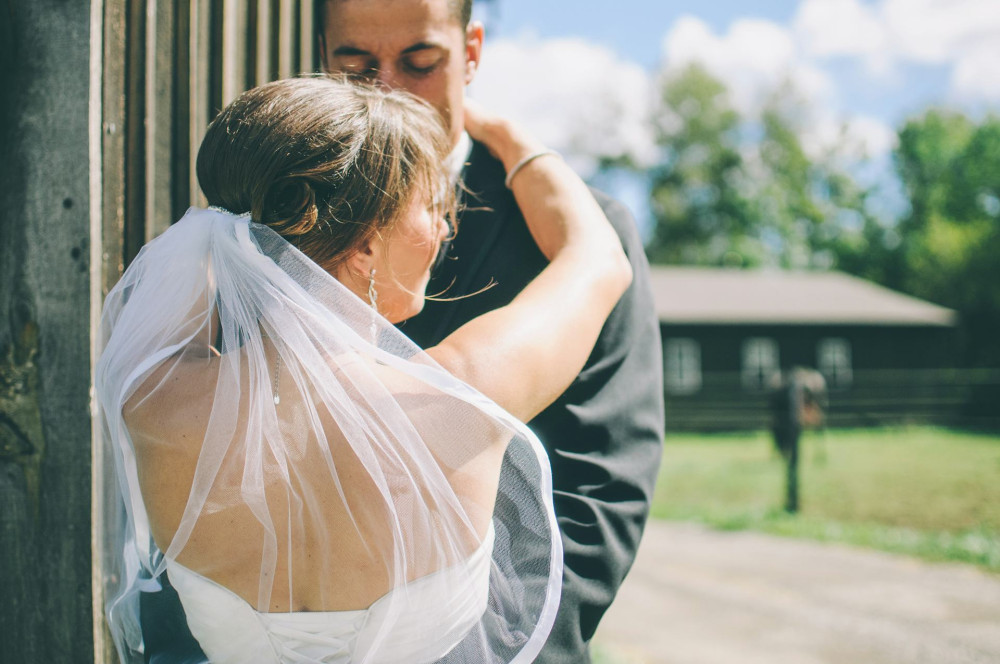
When you look back at your photos, it’s often the unplanned moments that bring the biggest smiles – a shared glance, a burst of laughter, a reassuring touch. These are the details that make your story unique.
A day to remember, not to stage
Wedding photography isn’t about creating perfect images; it’s about preserving genuine memories. By planning time for both portraits and candid moments, you’ll end up with a collection of photographs that reflect the full spirit of your day – from the formal to the spontaneous.
When the celebrations are over and the dress is packed away, it’s the photographs that will bring the day back to life. Give your photography the attention it deserves, but don’t let it overshadow what truly matters: enjoying the day together.
Læs også: