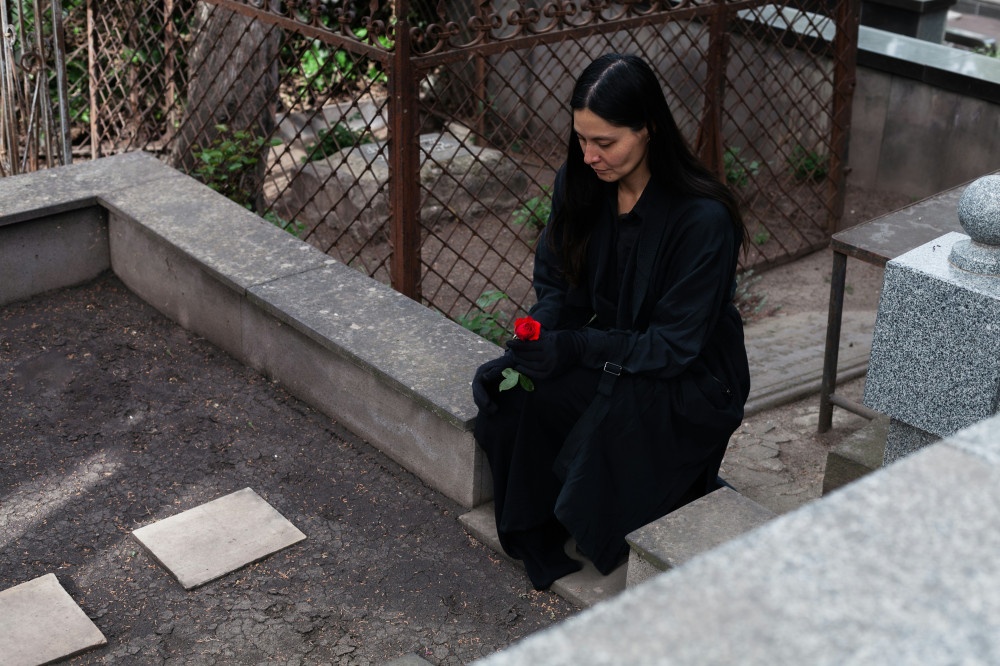
Create Your Own Space for Reflection – a Place Where Thoughts and Feelings Can Find Calm

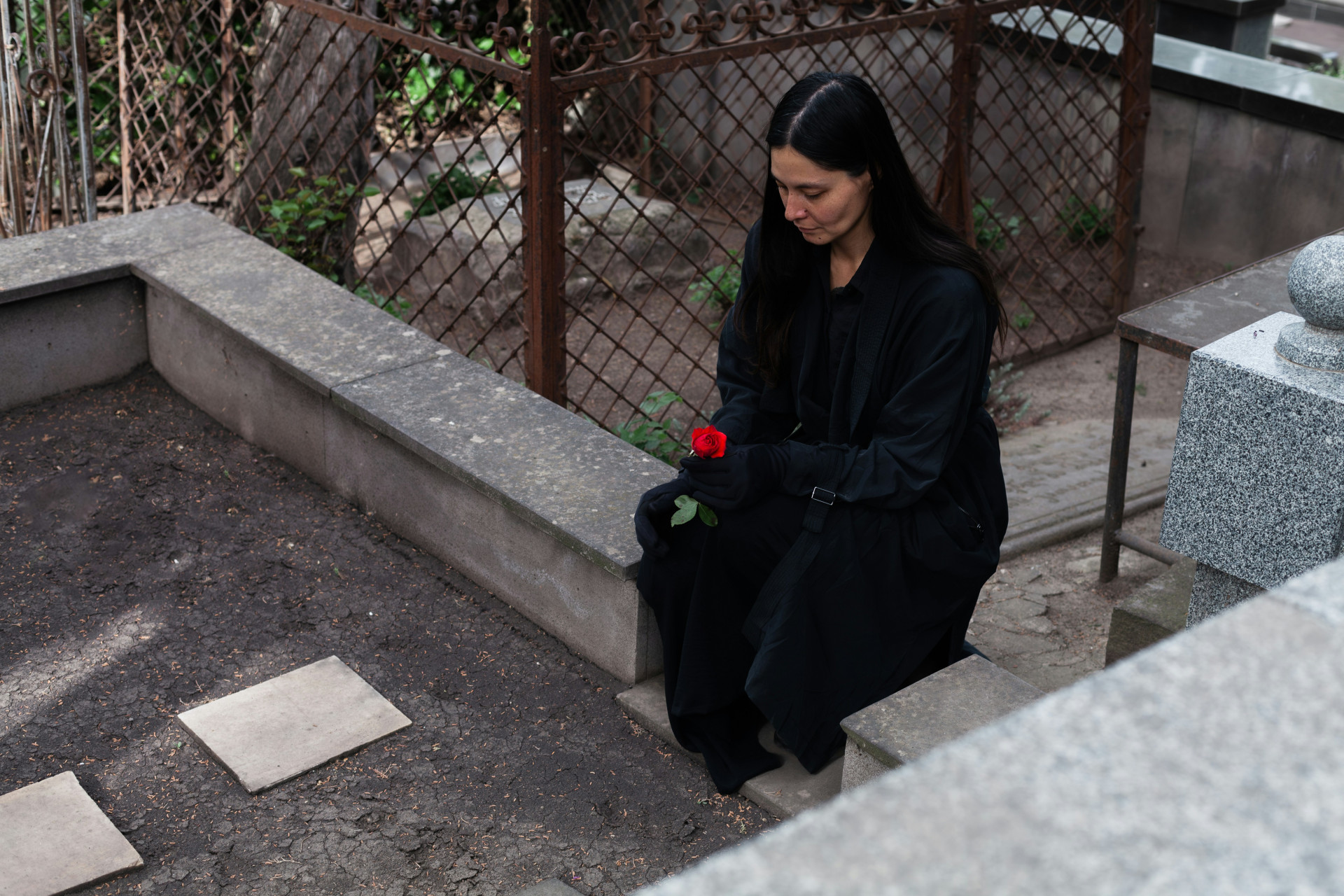
Create Your Own Space for Reflection – a Place Where Thoughts and Feelings Can Find Calm
In a world that moves quickly and demands our attention from every direction, it can be difficult to find a moment of stillness. Many of us long for a space where we can pause, breathe, and reconnect with ourselves. A space for reflection doesn’t have to be large or elaborate. It’s about creating a personal corner – physical or mental – where your thoughts can settle and your emotions can find calm.
Why a Space for Reflection Matters
A space for reflection is a place where you can be alone with your thoughts, free from distractions. It allows you to process emotions, manage stress, and make sense of life’s changes. When you give yourself time to slow down and listen inwardly, it becomes easier to understand what you need and to regain balance.
Having a dedicated space for reflection can also bring a sense of safety and continuity. It becomes a quiet anchor in your daily life – a place you can return to whenever things feel overwhelming.
Creating the Space – Start with What Feels Right for You
There’s no single right way to create a reflective space. The most important thing is that it feels like yours. Think about what helps you feel calm and grounded.
- Choose a spot where you won’t be disturbed. It could be a corner of your living room, a chair by the window, a garden bench, or a quiet spot in a nearby park.
- Engage your senses. Soft lighting, a warm blanket, a favourite mug of tea, or a gentle scent can help your body relax.
- Include personal touches. A photograph, a seashell from a memorable holiday, or an object that holds meaning can make the space feel special.
- Keep it simple. This isn’t about perfection or decoration – it’s about authenticity and comfort.
Your reflective space doesn’t have to be a physical one. It might be a daily walk, a few minutes of journalling, or a quiet moment with music or silence. What matters is that you create a space – in your surroundings or in your routine – where you can simply be with yourself.
Making Room for Your Feelings
When you sit in your space for reflection, a range of emotions may surface – calm, sadness, restlessness, or relief. That’s completely natural. Try not to push them away. Instead, notice them, as if they were visitors passing through. Some will stay briefly, others a little longer. By allowing your feelings to exist, you often find they lose some of their intensity.
You might find it helpful to write down your thoughts, sketch, meditate, or simply sit quietly. The goal isn’t to solve everything, but to listen – to give yourself the kindness of attention.
Bringing Reflection into Everyday Life
A reflective space works best when it becomes part of your daily rhythm. Set aside regular moments – perhaps ten minutes in the morning or half an hour before bed. It’s not the amount of time that matters, but the consistency.
Over time, you may notice that reflection doesn’t just help during difficult periods. It can also deepen your sense of gratitude, presence, and clarity in everyday life. It becomes a place to gather yourself before stepping back into the world.
Læs også:



When Life Changes
During times of loss, transition, or uncertainty, a reflective space can be especially valuable. It offers a pause – a place where you don’t have to perform or explain, where you can remember, cry, smile, and slowly find your footing again.
Allow your space to evolve as you do. You might want more light, new colours, or different objects as your needs change. Your space for reflection can grow with you.
A Place to Return To
Creating a space for reflection is a quiet act of self-care. It’s a place to find calm when life feels noisy, and to remind yourself that you are still grounded, even when everything around you shifts. However you choose to shape it, the most important thing is that it feels like a space where you can be completely yourself.
Læs også: