When Grief Is Shared: The Power of Community in Women’s Healing Process

When Grief Is Shared: The Power of Community in Women’s Healing Process
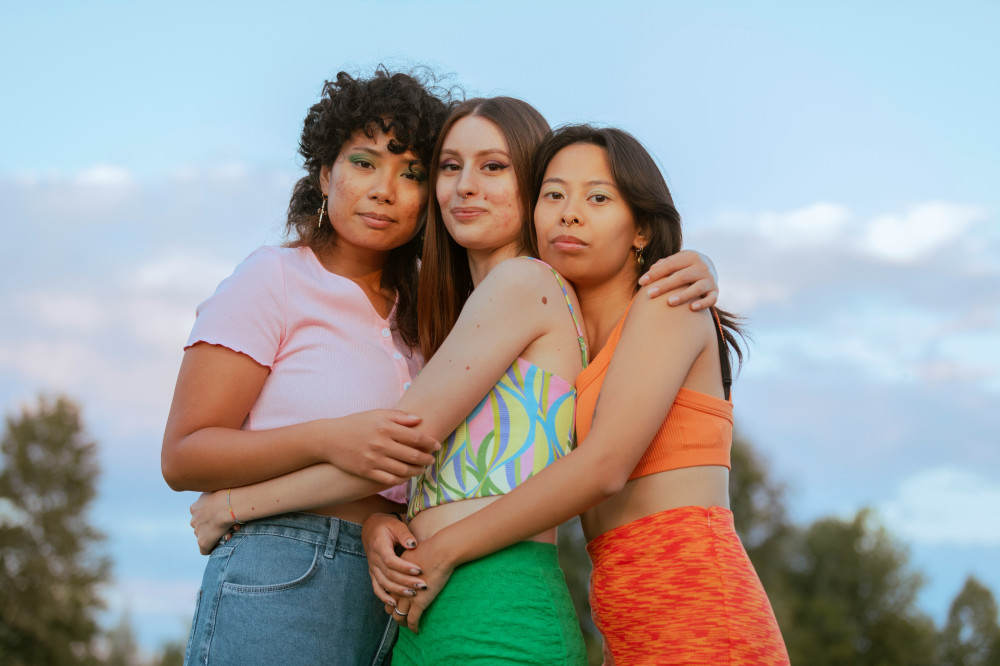
Grief is one of the most profound human experiences – and yet one of the loneliest. When life is shaken by loss, it can feel as though the world keeps moving while your own has stopped. But within that stillness, connection can become a lifeline. For many women, healing begins when grief is shared – when they dare to reach out and let others be part of the journey.
The Many Faces of Grief
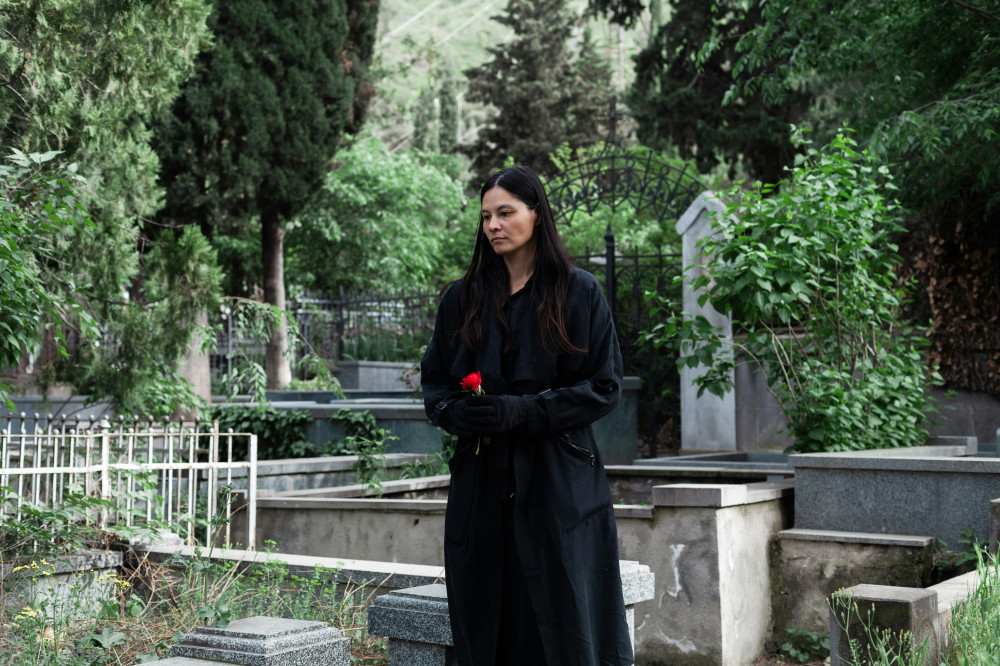
Grief takes many forms: the loss of a partner, a child, a parent, a friendship, or even a long-held dream. It can arrive suddenly and overwhelm, or it can unfold slowly over time. Many women, accustomed to caring for others, find it difficult to make space for their own pain. Yet grief needs room – not to be fixed, but to be lived through.
This is where community becomes vital. When you meet others who understand without needing every detail explained, a special kind of recognition and relief emerges. It is in these shared spaces that sorrow begins to soften.
Community as a Healing Force
Research into bereavement shows that social connection plays a crucial role in how we recover from loss. Women who take part in support groups, community networks, or peer circles often experience a steadier emotional recovery. The goal is not to “move on” but to find a new way of living with the loss.
Across the UK, local charities and community centres offer grief support groups specifically for women. Organisations such as Cruse Bereavement Support and The Good Grief Trust provide safe spaces to talk, listen, and simply be. Whether in a church hall, a café, or an online forum, these communities remind women that they are not alone. When grief is given words, it loses some of its weight.
The Courage to Reach Out
For many, the hardest step is the first one. Grief can feel deeply private, and opening up can seem daunting. But reaching out is not a sign of weakness – it is an act of courage. It might begin with a single conversation, a message to a friend, or attending a local group meeting.
Some women find comfort in structured programmes with professional guidance, while others prefer informal gatherings – walking groups, creative workshops, or simply sharing tea and stories. What unites them is the creation of a space where it’s safe to be yourself, even on the days when the sadness feels overwhelming.
Læs også:

Rituals and Shared Symbols
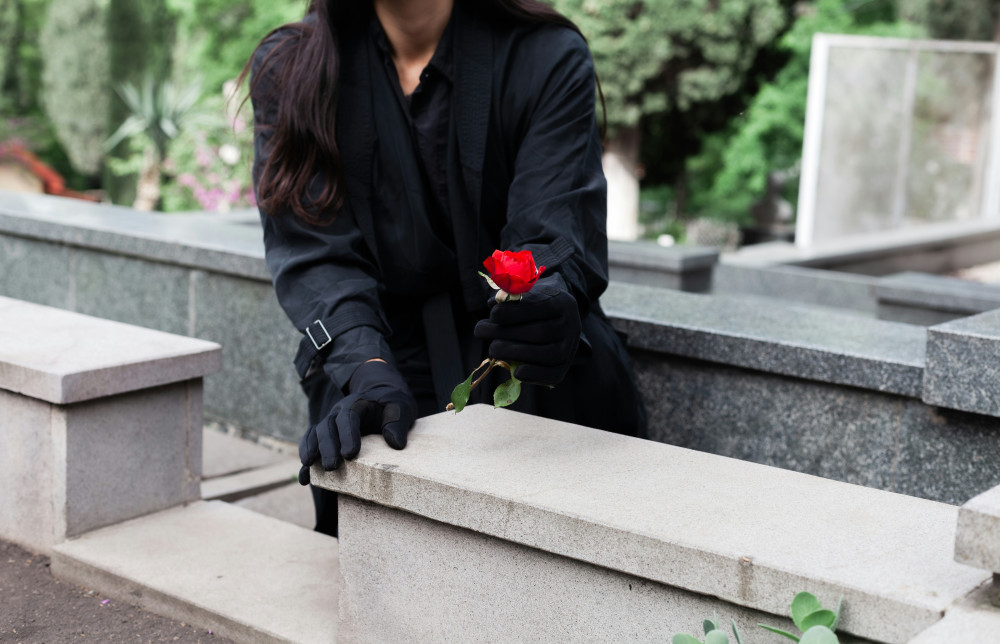
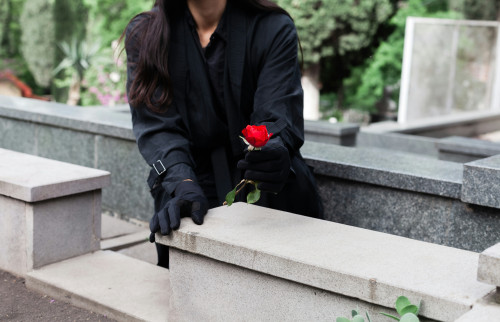
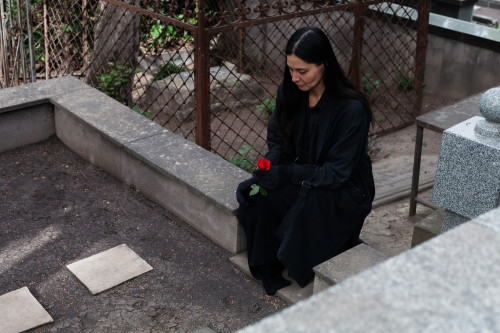
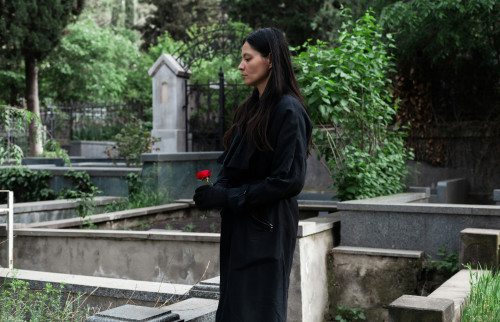
Rituals can help give shape to grief. Lighting a candle, writing a letter to the person who has died, or taking part in a memorial walk can all bring comfort. When these acts are shared, they become a way to honour both loss and life.
In some communities, new traditions emerge – planting a tree together, creating a memory quilt, or meeting each year on an anniversary. These gestures give grief a tangible form and remind us that love does not disappear, even when life changes.
From Survival to Renewal
Healing is not about forgetting; it is about finding a new balance. Many women describe how, through community, they gradually rediscover joy – not as a replacement for what was lost, but as part of a new story. Sharing grief opens the door to hope.
Standing together in sorrow is a reminder that we are made to carry one another. In community, grief does not vanish, but it becomes lighter to bear.
Læs også: