From Youth to Maturity: Women’s Relationship with Sport Throughout Life


From Youth to Maturity: Women’s Relationship with Sport Throughout Life
Women’s relationship with sport evolves significantly over the course of life. From the playful energy of childhood and the competitive spirit of youth to the balancing act of adulthood and the pursuit of wellbeing in later years, sport often remains a constant thread – though its form and meaning change with time.
The Early Years – Identity and Belonging
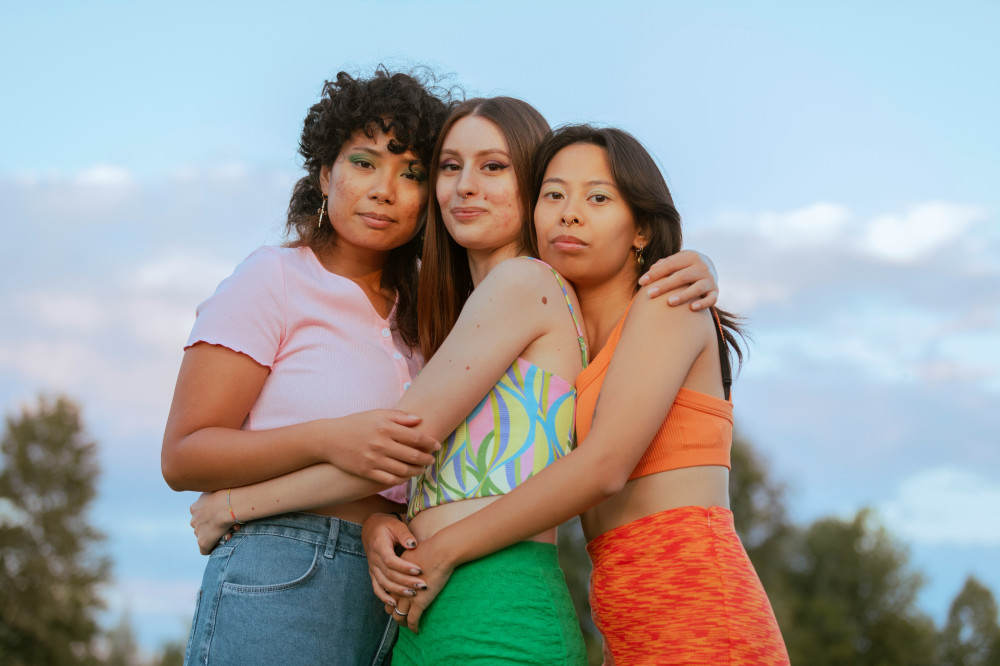
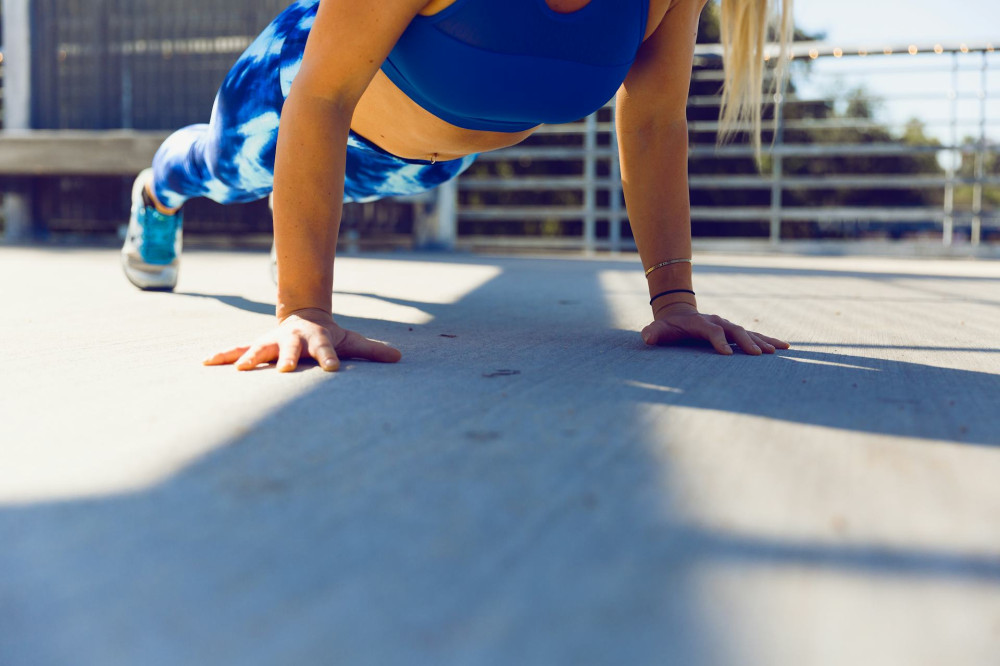
For many girls, sport begins at school or in local community clubs. At first, it’s about fun, friendship, and discovering what the body can do. As teenage years arrive, sport can become part of identity – a space to express oneself, build confidence, and find belonging.
Yet this is also the stage where many girls drop out of sport. Pressures around body image, academic demands, and social expectations can make it difficult to stay engaged. In the UK, studies have shown that girls are more likely than boys to stop participating in organised sport during adolescence. Positive role models, supportive coaches, and inclusive environments are therefore crucial in helping young women maintain their connection to physical activity.
Adulthood – Sport as a Source of Balance
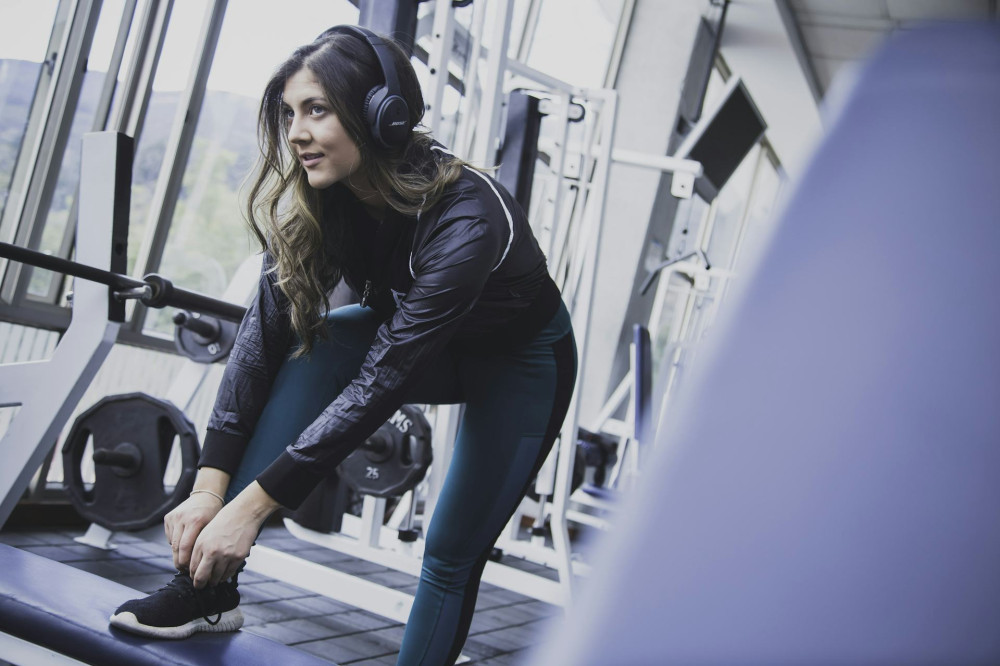
As women move into adulthood, the role of sport often shifts. University life, work, and family responsibilities can leave little time for exercise. Still, this is precisely when physical activity can provide much-needed balance and mental clarity.
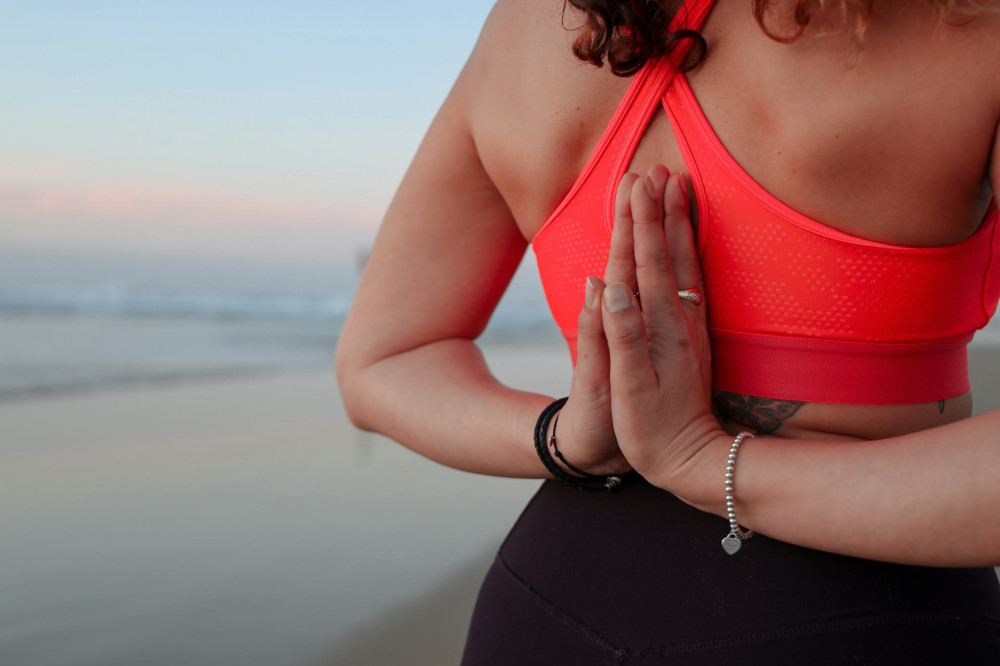
For some, sport becomes a way to unwind – a run after work, a yoga class, or a weekend game with friends. For others, it’s a social anchor, offering community and shared motivation. Many women rediscover sport when their children grow older, joining local running groups, fitness classes, or family-friendly activities that fit into busy schedules.
Midlife – Embracing Change
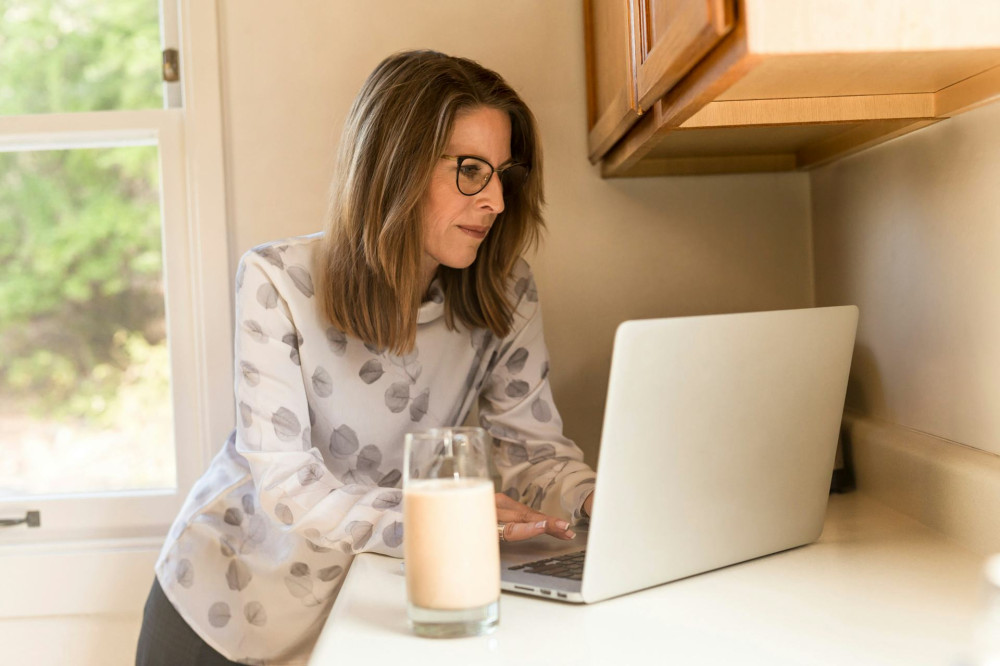
In their forties and fifties, many women experience physical changes that can affect energy levels and motivation. Menopause, hormonal shifts, and a slower metabolism can make exercise feel different. At this stage, sport becomes less about performance and more about health, strength, and quality of life.
Regular activity helps maintain muscle mass, strengthen bones, and ease symptoms such as hot flushes or sleep disturbances. It also provides a sense of control and wellbeing during a time of transition. Many women turn to activities that combine physical and mental strength – such as swimming, cycling, Pilates, or hiking – valuing how movement supports both body and mind.
Later Life – Movement as Joy
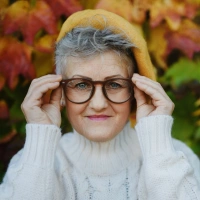
In later years, sport and exercise play a vital role in maintaining health, independence, and happiness. Walking groups, dance classes, swimming, and gentle fitness sessions are popular among older women in the UK, offering both physical benefits and social connection.
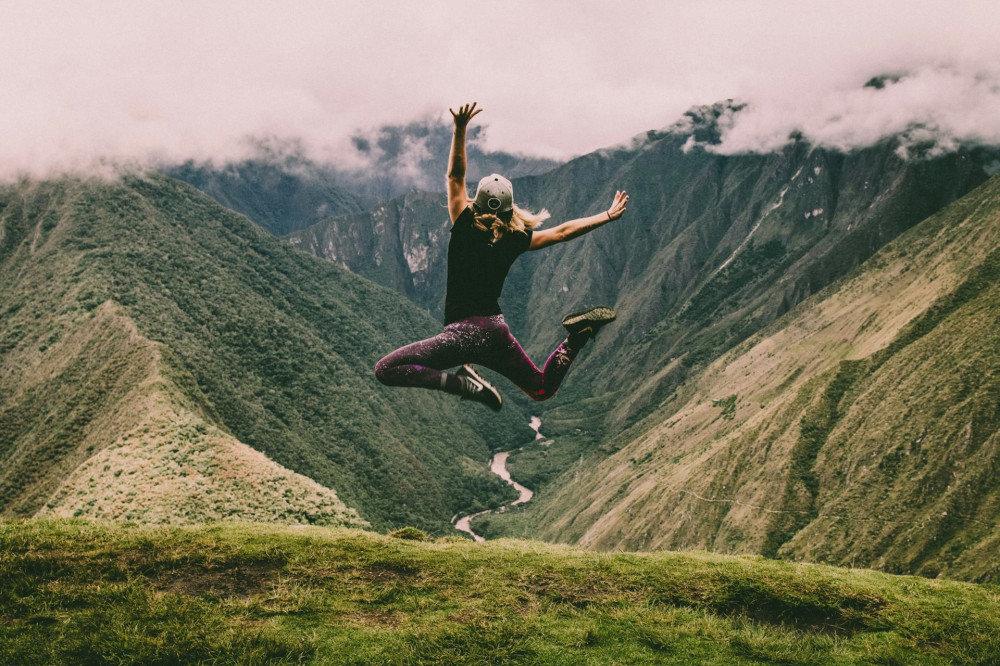
At this stage, it’s less about competition and more about enjoyment – moving for the pleasure of it, for the company, and for the sense of vitality it brings. Research consistently shows that women who stay active in later life experience better physical health, improved mood, and greater life satisfaction.
Læs også:

Sport as a Reflection of Life’s Journey
A woman’s relationship with sport mirrors the rhythm of life itself: from play and ambition to balance and wellbeing. Each stage brings its own challenges and opportunities, but throughout, movement remains a source of strength – physically, mentally, and emotionally.
Staying active through life isn’t about holding on to youthful performance, but about finding new ways to move that suit who we are now. For many women, sport becomes a quiet but powerful companion – a way to stay connected to themselves, at every age.
Læs også: