Measure Your Fitness Progress Without Letting the Scales Decide

Measure Your Fitness Progress Without Letting the Scales Decide
For many people, the bathroom scales are the first place they look for proof that their training is working. But that number only tells a fraction of the story. Your body changes in ways that can’t always be seen in kilograms or stones. If you want a more accurate picture of your progress, it’s time to look beyond the scales and start measuring what really matters.
Why the Scales Can Be Misleading
Your weight is influenced by far more than fat and muscle. Hydration levels, hormones, sleep, and even what you’ve eaten recently can make the number fluctuate from day to day. If you’re strength training, you might even see the scales go up while your body becomes leaner and stronger – simply because muscle is denser than fat.
That’s why relying solely on your weight can be both discouraging and inaccurate. Instead, focus on how your body feels, performs, and develops over time.
Track Strength and Endurance
One of the most reliable ways to measure progress is through performance. Can you lift heavier weights, run further, or cycle faster than you could a month ago? Those are clear signs that your body is adapting and becoming fitter.
- Strength training: Keep a record of how much weight you lift and how many repetitions you complete. Gradual improvements show that your muscles are getting stronger.
- Cardio training: Track your time, distance, or heart rate. A lower heart rate at the same pace means your cardiovascular fitness is improving.
- Everyday performance: Notice if you can carry shopping bags more easily, climb stairs without getting out of breath, or play with your children for longer. These are all signs of progress too.
Use a Tape Measure – Not Just the Mirror
A simple tape measure can reveal changes that the scales can’t. Measure your waist, hips, thighs, and arms regularly. Even small differences can show that you’re losing fat and gaining muscle – even if your weight stays the same.
You can also take progress photos every few weeks. It’s hard to spot daily changes in the mirror, but photos over time often reveal noticeable improvements in posture, muscle tone, and overall confidence.
Listen to Your Body
Progress isn’t just about appearance – it’s also about how you feel. Do you have more energy, sleep better, or experience fewer aches and pains? These are all signs that your training is benefiting your body.
Many people also notice improved mood and reduced stress when they exercise regularly. That’s an important part of overall progress, even if it can’t be measured in numbers.
Læs også:


Set Meaningful Goals
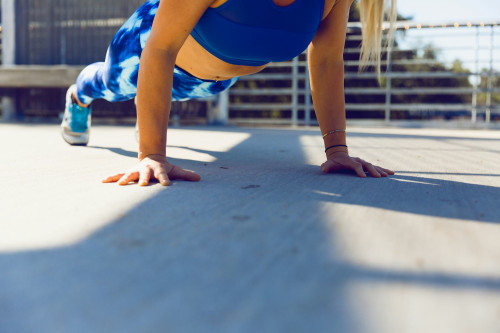
Instead of chasing a specific number on the scales, set goals that focus on function and wellbeing. Maybe you want to run 5K without stopping, complete ten press-ups in a row, or simply feel stronger in your daily life.
When you focus on what your body can do rather than how it looks, exercise becomes a source of pride and motivation – not frustration.
Make Progress Tracking a Habit
Take a few minutes each month to review your progress. You can jot down notes in a journal or use a fitness app. This helps you see how far you’ve come and prevents one “bad” day on the scales from defining your efforts.
Remember, fitness is a journey. There will be times when progress feels fast and others when it slows down. The key is to stay consistent and celebrate the small victories along the way.
Your Body Is More Than a Number
Measuring your fitness progress is ultimately about recognising that your body is dynamic. It changes, adapts, and responds to how you treat it. When you start to see the bigger picture – strength, energy, wellbeing, and joy – exercise becomes more than a way to change your body. It becomes a way to thrive in it.
Læs også: