Knitting Techniques Explained: Create Texture and Patterns with Your Stitches

Knitting Techniques Explained: Create Texture and Patterns with Your Stitches
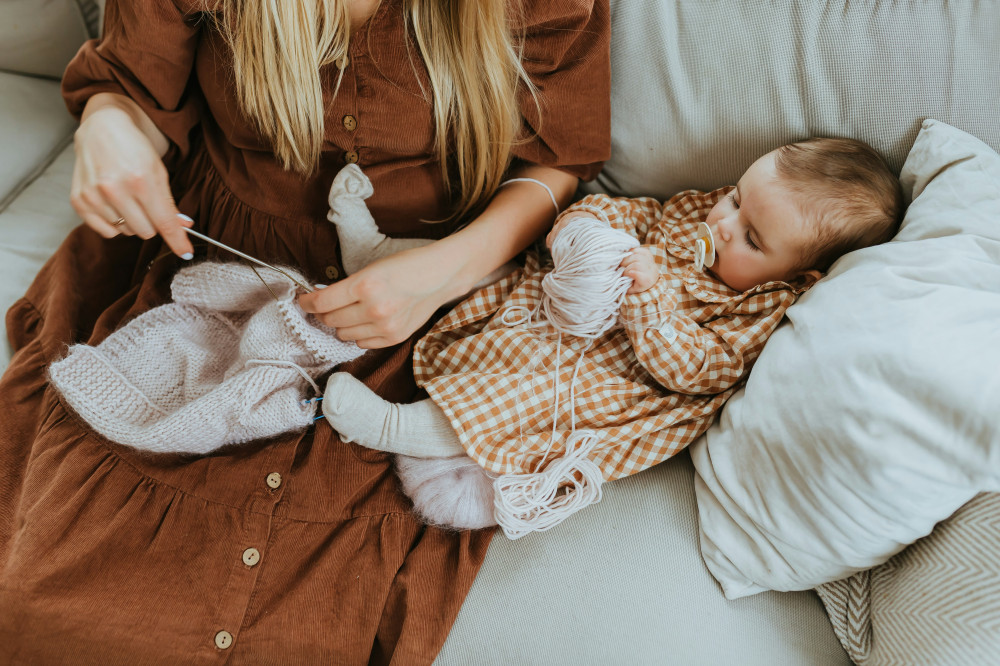
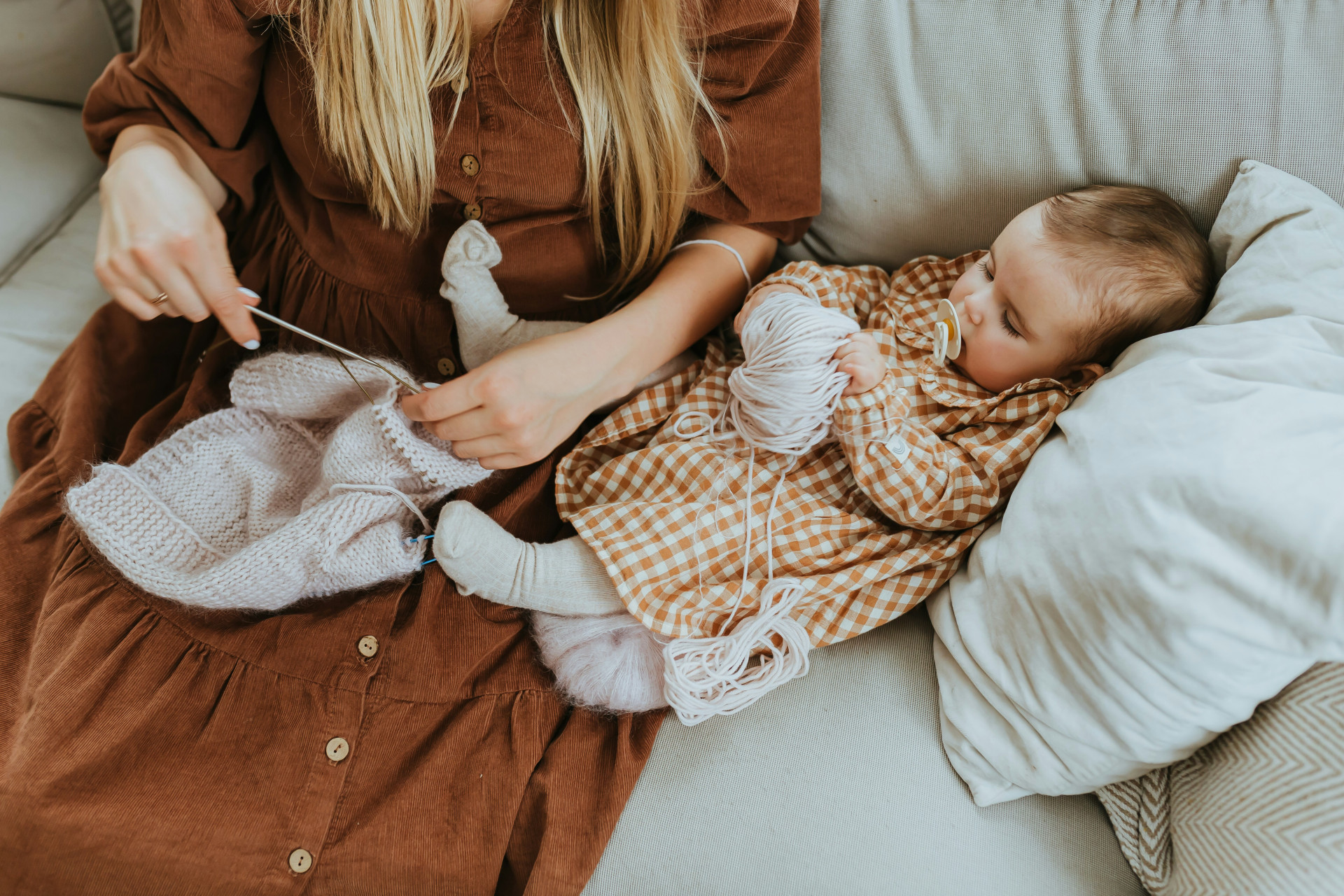
Knitting is far more than a way to make cosy jumpers and scarves. It’s a craft that allows you to shape texture, pattern, and personality with just a few basic stitches. Whether you’re a beginner or an experienced knitter, understanding the most common techniques opens up a world of creative possibilities. Here’s an introduction to how you can create texture and patterns with your stitches.
Knit and Purl – The Foundation of All Knitting
The two most fundamental stitches in knitting are the knit stitch and the purl stitch. Together, they form the basis of almost every pattern.
- Garter stitch (knitting every row) creates a soft, slightly ridged fabric that lies flat and is wonderfully stretchy. It’s perfect for scarves, dishcloths, and baby items.
- Stocking stitch (alternating one knit row and one purl row) produces a smooth front and a bumpy back. It’s commonly used for jumpers and cardigans, though it tends to curl at the edges, so it often needs a border in another stitch.
By combining knit and purl stitches in different sequences, you can create a huge variety of textures – from simple ribs to intricate geometric surfaces.
Læs også:
Ribbing, Seed Stitch, and Textured Patterns
Once you start playing with the rhythm between knit and purl, you’ll discover patterns that add both elasticity and texture.
- Ribbing (for example, k1, p1 or k2, p2) creates a stretchy fabric that pulls inwards. It’s ideal for cuffs, hems, and hat brims.
- Seed stitch (alternating knit and purl stitches, offset on the next row) produces a dense, pebbly texture that’s both decorative and stable.
- Basketweave and other textured patterns combine blocks of knit and purl stitches in repeating sequences, giving the surface a three-dimensional look.
These patterns are great starting points if you want to experiment with texture without following complex charts.
Cables – When Stitches Cross Over
Cables are a classic technique that gives knitting a rich, braided appearance. They’re created by crossing groups of stitches over one another – usually by holding some stitches on a cable needle while knitting others in front or behind.
Although cables look intricate, they’re mostly about rhythm and patience. They’re often used in Aran jumpers, hats, and blankets, adding a luxurious, hand-crafted feel. Start with small cables and work your way up to larger motifs as your confidence grows.
Lace and Eyelets – Lightness and Elegance
If you’d like to create a lighter, more delicate look, try lace knitting. Lace patterns are formed by making yarn overs and knitting stitches together, creating small holes in the fabric. The combination of increases and decreases can form anything from simple diagonals to elaborate floral motifs.
Lace knitting requires concentration, but the results are worth it: airy, elegant pieces that are perfect for shawls, summer tops, and decorative details.
Colourwork – Patterns with Contrast and Character
Once you’ve mastered the basics, you can start exploring colour. There are several ways to incorporate colour into your knitting:
- Stripes are the simplest – just change yarn colour after a few rows.
- Fair Isle and stranded colourwork use two or more colours in the same row to create motifs such as stars, flowers, or geometric shapes.
- Intarsia is used for larger blocks of colour, such as pictures or bold shapes, with each colour worked from its own ball of yarn.
Colourwork takes a bit of practice to keep the tension even on the back, but it allows you to design truly unique and personal pieces.
Combining Techniques and Finding Your Style
Once you’re comfortable with the basics, you can start mixing techniques. A jumper might have a smooth stocking stitch body, ribbed cuffs, and cable panels on the sleeves. A blanket could alternate between seed stitch and lace sections for contrast.
The key is to experiment. Knitting is a craft where mistakes often lead to new ideas – and where yarn and needles can bring your imagination to life.
Tips for Getting Started
- Make swatches to test patterns and see how your yarn behaves.
- Choose yarn and needles that suit your project – thicker yarns highlight texture, while finer yarns are ideal for lace.
- Be patient – complex patterns take practice, but the results are always rewarding.
Once you’ve mastered these techniques, you’ll find that knitting isn’t just about following patterns – it’s about creating. Every stitch is a small act of craftsmanship, and together they form something uniquely yours.
Læs også: