Find the Balance Between Alone Time and Community

Find the Balance Between Alone Time and Community
In a world where diaries fill up fast and social media constantly reminds us what others are doing, finding the right balance between solitude and social life can be a challenge. Too much time alone can lead to loneliness, while too much social activity can cause stress and exhaustion. Striking the balance is about understanding your own needs – and daring to prioritise both calm and connection.
Why Alone Time Matters
Being alone is not the same as being lonely. It’s a space where you can breathe, reflect, and recharge. When you spend time on your own, your mind has the chance to process experiences, regain focus, and restore energy. Many people find they become more creative and make clearer decisions when they regularly allow themselves moments of solitude.
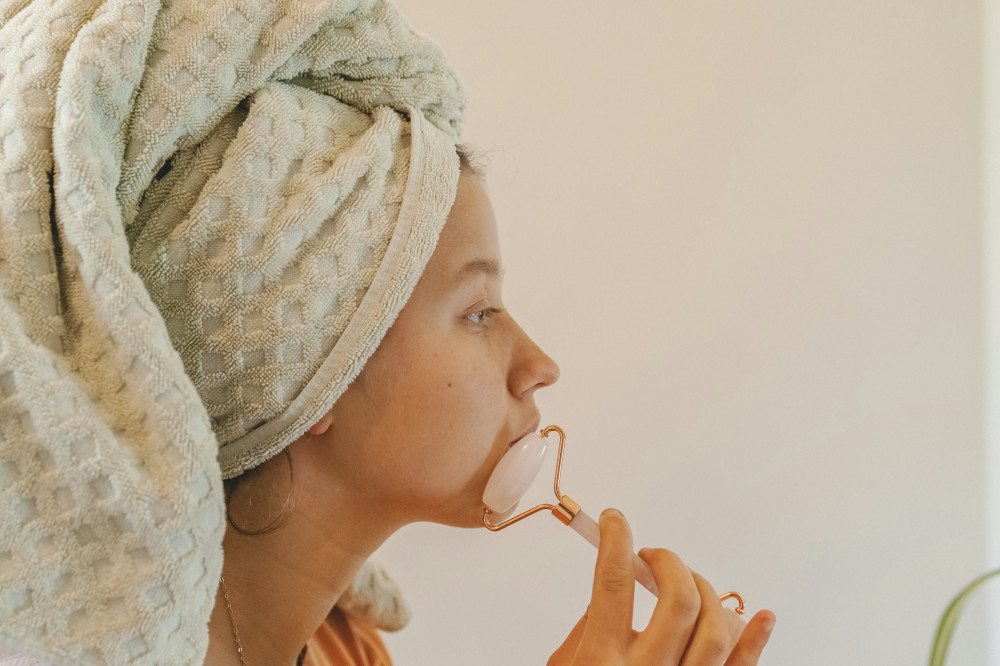
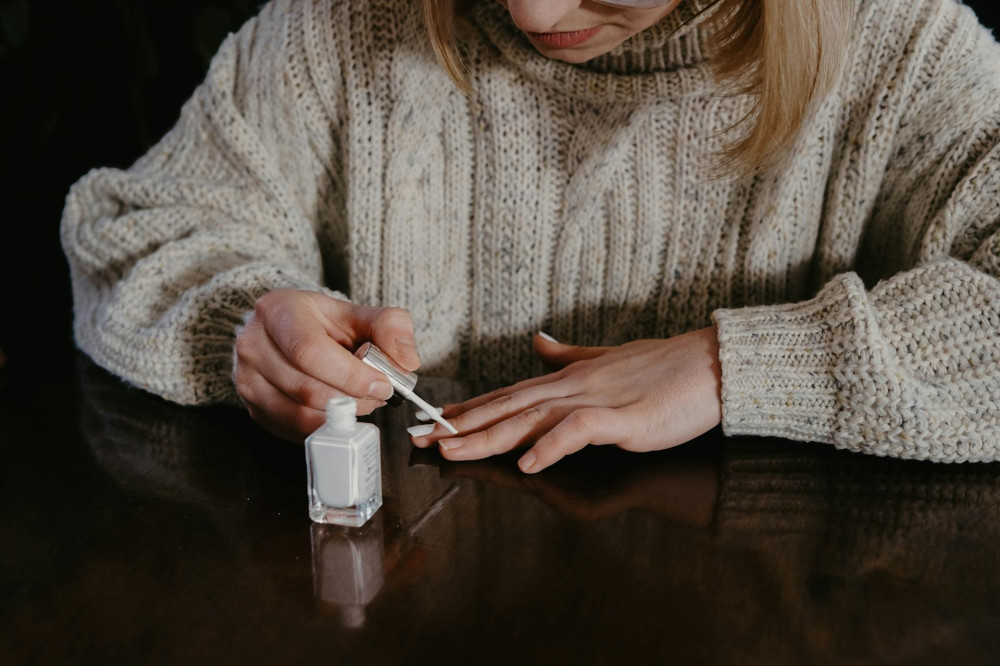
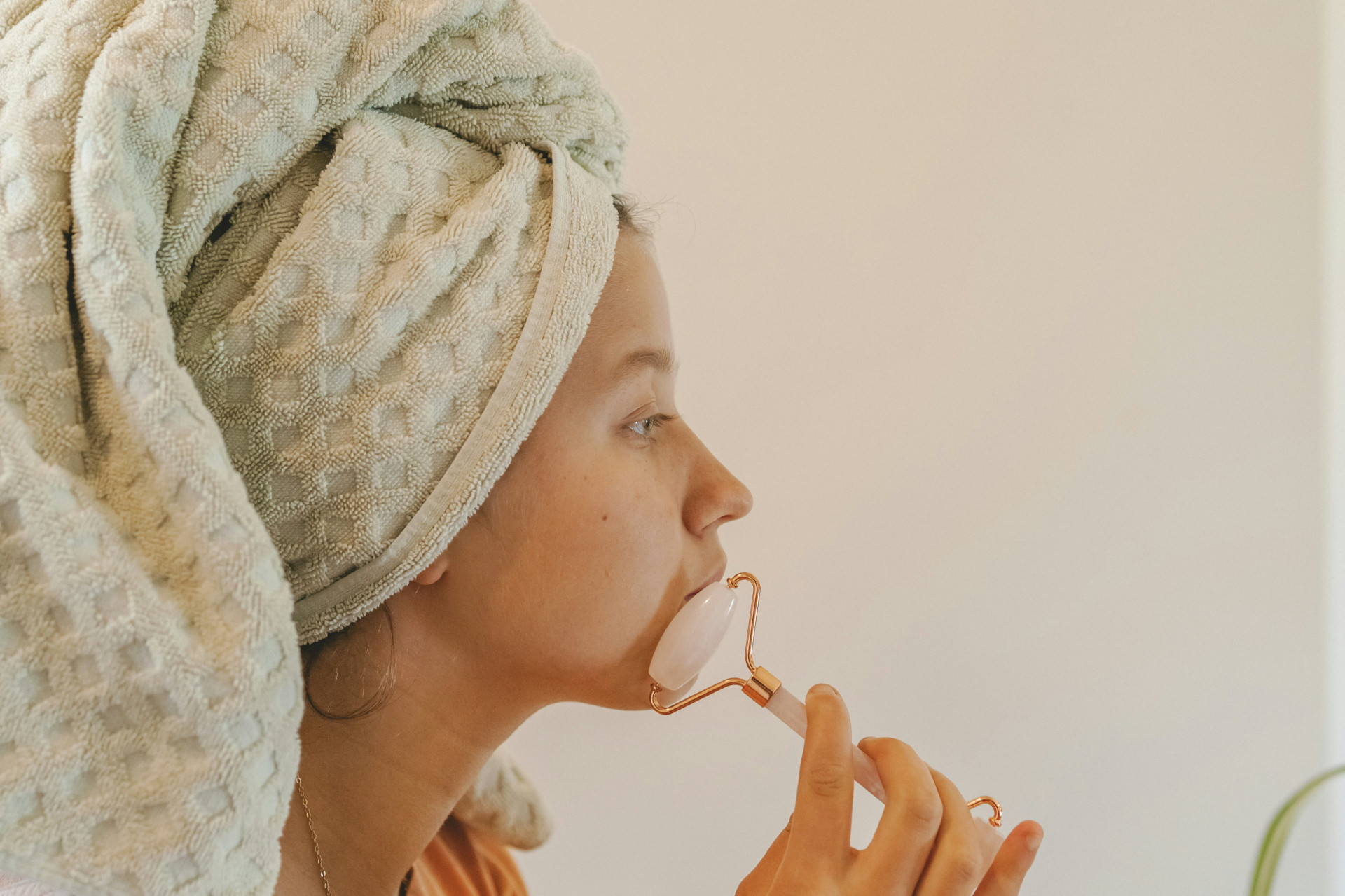
Alone time can take many forms: a walk without your phone, a quiet morning with a cup of tea and a book, or simply fifteen minutes on the sofa without interruptions. The key is to give yourself permission to be unproductive – without guilt.
Læs også:




The Value of Community
Humans are social beings. Relationships bring us joy, comfort, and meaning. Communities – large or small – strengthen our mental wellbeing and help us feel connected to the world around us. Conversations, laughter, and shared experiences can give us energy and perspective that we rarely find alone.
But community doesn’t have to mean big social events. It can be a chat with a colleague, cooking dinner with a friend, or a quick call to a family member. Quality matters more than quantity.
Listen to Your Signals
The balance between solitude and social life is deeply personal. Some people thrive on frequent social contact, while others need more quiet time. The most important thing is to listen to the signals from your body and mind.
- Do you feel drained after social gatherings? You might need more time alone.
- Do you feel restless or isolated after too many days by yourself? It could be time to reach out.
Learning your own limits takes practice – and honesty with yourself.
Create Intentional Breaks
In a busy week, it can help to plan pauses. Schedule time for both rest and connection. It might feel strange at first, but it helps you maintain balance.
- Plan quiet moments – for example, one evening a week without plans or screens.
- Choose your communities wisely – spend time with people who energise you, not those who drain you.
- Build small rituals – a cup of tea after work, a walk in the park, or a regular catch-up with a friend.
When you make these pauses intentional, they become a natural part of your rhythm.
When the Balance Shifts
It’s normal for the balance to change over time. During busy periods, you might need more solitude to recover, while in quieter phases, you may crave more social contact. The key is to adjust as you go and not judge yourself for changing needs.
If you experience ongoing loneliness or social fatigue, it can help to talk to someone – a friend, a counsellor, or a support service. Sometimes small changes are enough to restore balance.
A Life in Rhythm
Finding the balance between alone time and community isn’t about choosing one over the other. It’s about creating a rhythm where both have their place. When you allow yourself to both withdraw and reach out, you strengthen your wellbeing and your presence – for yourself and for those around you.
Læs også: