Less Consumption, More Wellbeing: Sustainable Beauty Care with Consideration

Less Consumption, More Wellbeing: Sustainable Beauty Care with Consideration
In a world overflowing with beauty products, trends, and quick fixes, more and more people in the UK are beginning to question how much they really need—and how their choices affect both the planet and their own wellbeing. Sustainable beauty care is not just about choosing eco-friendly products; it’s about rethinking our entire relationship with consumption, self-care, and what it truly means to feel good in our own skin.
Beauty with Awareness
Sustainable beauty starts with awareness. It’s about understanding what we put on our skin and how those products are made. Many conventional cosmetics contain ingredients that can harm the environment—such as microplastics, synthetic fragrances, and non-recyclable packaging. By choosing products made with natural ingredients, certified by trusted labels like Soil Association Organic or COSMOS, and packaged in recyclable or refillable materials, you can make a meaningful difference.
But awareness also means moderation. Often, we use far more products than we actually need. A simple routine with a few high-quality essentials can be both more sustainable and gentler on your skin.
Fewer Products, Greater Impact
A minimalist approach to beauty doesn’t mean giving up on self-care. In fact, it can bring more calm and balance to your daily life. Start by reviewing your current routine: which products do you use regularly, and which are just taking up space?
Consider whether some products can serve multiple purposes. A nourishing oil, for example, can work as a moisturiser, makeup remover, and hair treatment. A gentle soap can replace several different cleansers. By choosing multifunctional products, you reduce both consumption and waste.
Natural Ingredients and Local Choices
When selecting products, look for natural and locally sourced ingredients. British brands are increasingly turning to homegrown resources such as seaweed, oats, lavender, and rapeseed oil—ingredients that are effective, sustainable, and don’t require long-distance transport.
You can also experiment with simple homemade alternatives. A face mask made from oats and honey, or a body scrub using used coffee grounds and olive oil, can nourish your skin without harming the environment. It doesn’t take expensive equipment or specialist knowledge—just a bit of curiosity and care.
Læs også:




Wellbeing as Part of Sustainability
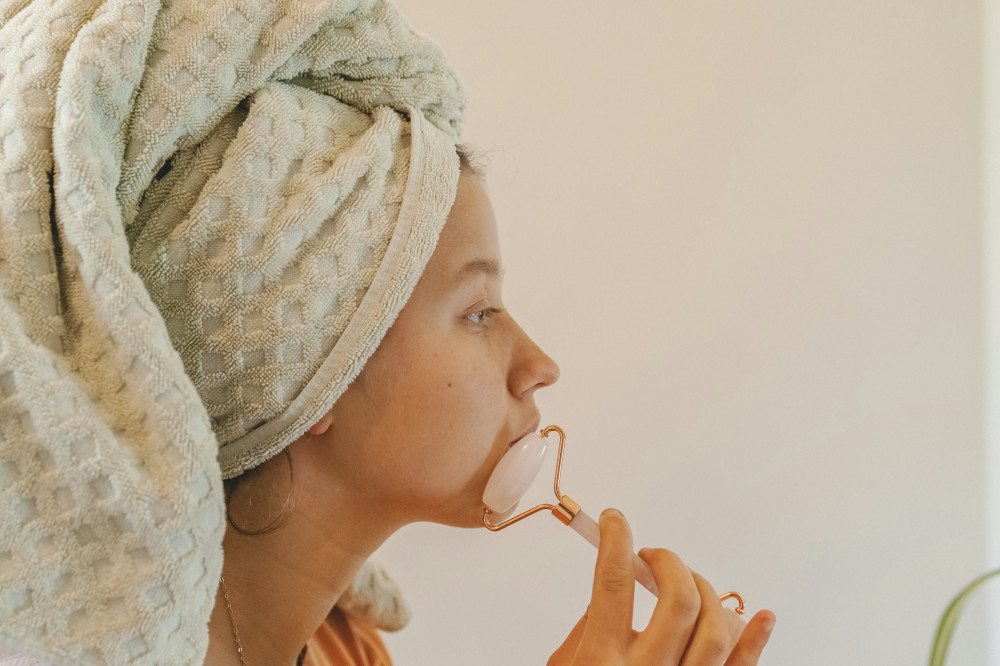
Sustainable beauty is not only about what you buy, but also about how you feel. Instead of chasing perfection, focus on wellbeing and self-kindness. Taking time for a slow morning routine, a facial massage, or a warm bath can be just as beneficial as the most luxurious creams.
When you see beauty care as a way to nurture both body and mind, it becomes easier to let go of the constant urge to buy more. Consuming less can actually lead to greater satisfaction—because you learn to appreciate what you already have.
Small Steps Towards a Greener Routine
Transforming your beauty habits doesn’t have to happen overnight. Start with small, manageable changes:
- Use up what you have before buying new. It’s the simplest and most sustainable step you can take.
- Choose refillable products. Many UK brands now offer refills to help reduce packaging waste.
- Buy quality over quantity. A well-made product that lasts is better than several cheap alternatives.
- Avoid impulse purchases. Ask yourself whether you truly need the product—or if it’s just a passing trend.
These small actions can add up to a big difference—for the environment and for your own sense of wellbeing.
Beauty with Purpose
Choosing sustainable beauty care means choosing with intention—not only for yourself, but for the planet. It’s about taking responsibility without giving up pleasure. In fact, it can bring a deeper sense of fulfilment to know that your daily routine aligns with your values and the natural world.
Less consumption and more consideration can lead to a new kind of beauty—one that grows from balance, awareness, and respect for both yourself and the world around you.
Læs også: