Skin Aftercare: Care and Healing After Cosmetic Treatments

Skin Aftercare: Care and Healing After Cosmetic Treatments
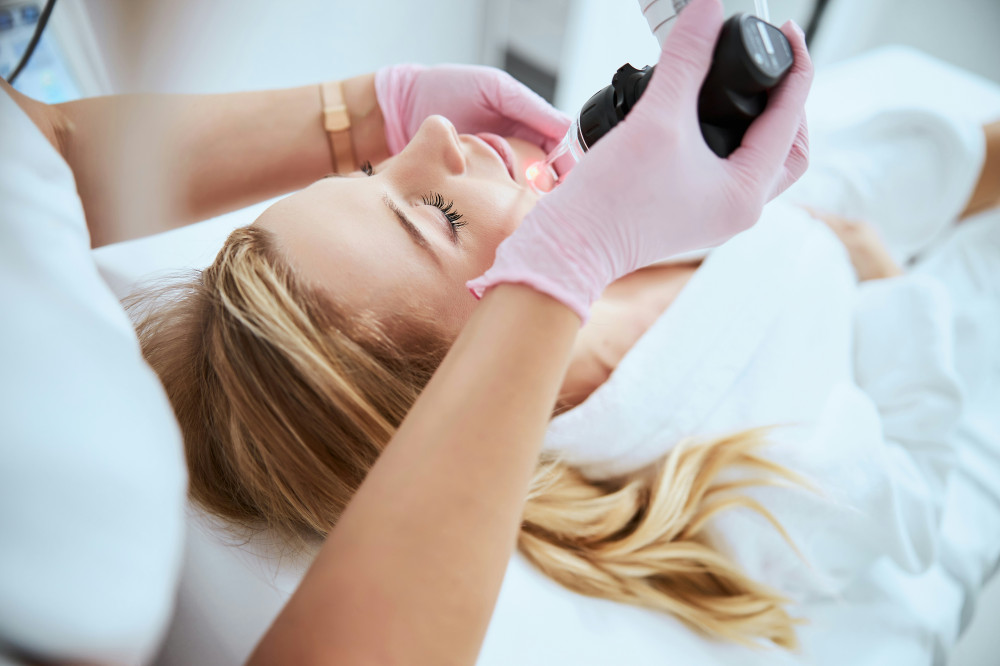
After any cosmetic treatment – whether it’s a facial, laser therapy, chemical peel, or injectable – proper aftercare is essential for achieving the best results. Your skin needs rest, hydration, and protection to heal effectively and maintain its glow. Many people underestimate how much difference the right care can make. Here’s a guide to looking after your skin in the days and weeks following a cosmetic procedure.
The Skin’s Healing Phase
Following a treatment, your skin works hard to repair itself. It may appear red, feel warm, tight, or slightly dry – all normal reactions. The key during this stage is to support your skin’s natural healing process without interfering with it.
Avoid picking, scrubbing, or using products with active ingredients such as acids, retinol, or alcohol until your practitioner advises it’s safe. Instead, focus on gentle, soothing products that restore moisture and strengthen the skin barrier.
Gentle Cleansing
Even a simple cleanse can feel harsh on sensitive post-treatment skin. Use a mild, fragrance-free cleansing cream or micellar water, and avoid hot water. Pat your skin dry with a clean towel rather than rubbing.
It’s also wise to change pillowcases and towels more frequently in the days after your treatment to reduce the risk of bacteria irritating your skin.
Læs også:

Hydration and Protection – Your Skin’s Best Allies
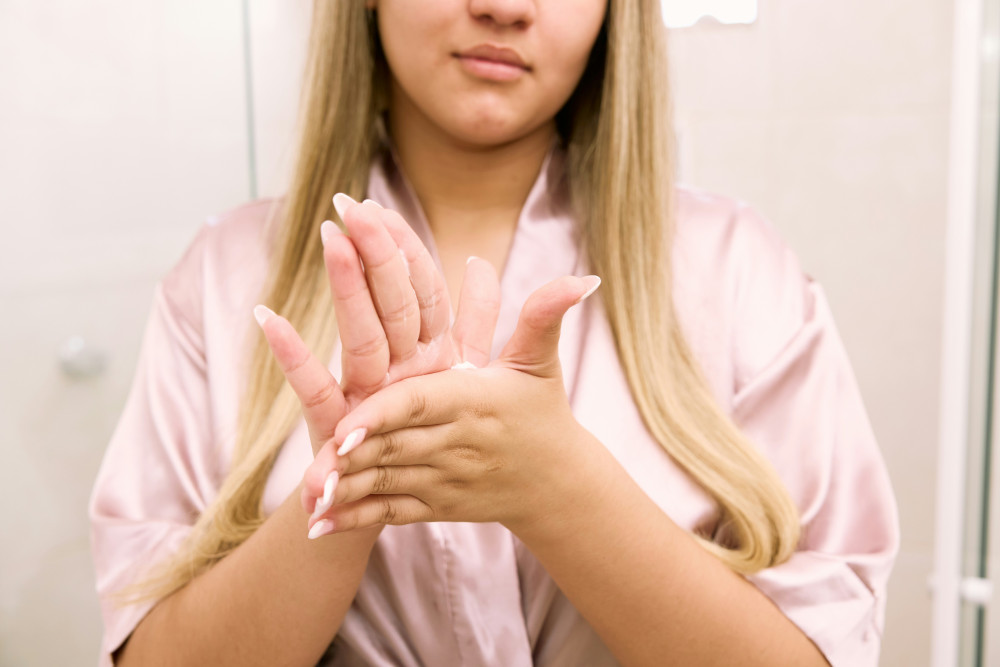
Hydration is key to a smooth and healthy recovery. Choose a calming moisturiser with ingredients such as hyaluronic acid, panthenol, or ceramides to help repair the skin barrier. Avoid products containing perfume or alcohol, which can sting or dry out the skin.
During the day, sun protection is non-negotiable. After many cosmetic treatments, the skin becomes more sensitive to UV rays, and even brief sun exposure can cause pigmentation changes. Use a broad-spectrum sunscreen with at least SPF 30 – even on cloudy days or when indoors near windows.
Avoid Makeup and Exercise for the First Few Days
Although it may be tempting to cover redness with makeup, it’s best to give your skin a few days to breathe. Foundation and powder can clog pores and interfere with healing. Wait until your skin feels calm and no longer irritated before applying makeup again.
The same goes for intense exercise and saunas. Sweat and heat can worsen redness and increase the risk of infection. Allow your body and skin time to rest – it will pay off in the long run.
Nutrition and Lifestyle Matter Too
Skin recovery doesn’t just happen on the surface. A balanced diet rich in antioxidants, vitamins, and plenty of water supports healing from within. Foods such as berries, vegetables, oily fish, and nuts help reduce inflammation and promote cell renewal.
Try to avoid smoking and excessive alcohol, as both can impair circulation and slow down the healing process.
When to Contact Your Clinic
Mild redness, swelling, and dryness are normal, but if you experience severe pain, blistering, fever, or a rash, contact your clinic or GP. These could be signs of an infection or an adverse reaction that needs medical attention.
Most clinics offer a follow-up appointment to assess your skin’s progress and provide tailored advice. It’s a good idea to take advantage of this opportunity.
Make Aftercare Part of Your Routine
Aftercare isn’t just about the first few days – it’s also a chance to build better habits. Once your skin has healed, you can gradually reintroduce your usual products, but consider keeping the gentle, hydrating ones in your routine. They strengthen your skin over time and help maintain the results of your treatment.
Giving your skin time, care, and patience is the best investment you can make – both for immediate results and for long-term skin health.
Læs også: