Flexible Homes: The New Housing Trends That Adapt to Your Everyday Life


Flexible Homes: The New Housing Trends That Adapt to Your Everyday Life
A home is no longer just a place to eat, sleep, and relax. As our daily routines become more fluid – with hybrid work, changing family needs, and a growing focus on wellbeing – our living spaces are evolving too. The latest housing trends in the UK are all about flexibility: rooms that serve multiple purposes, furniture that moves and folds, and designs that adapt to both calm and activity.
The Home as a Multifunctional Space
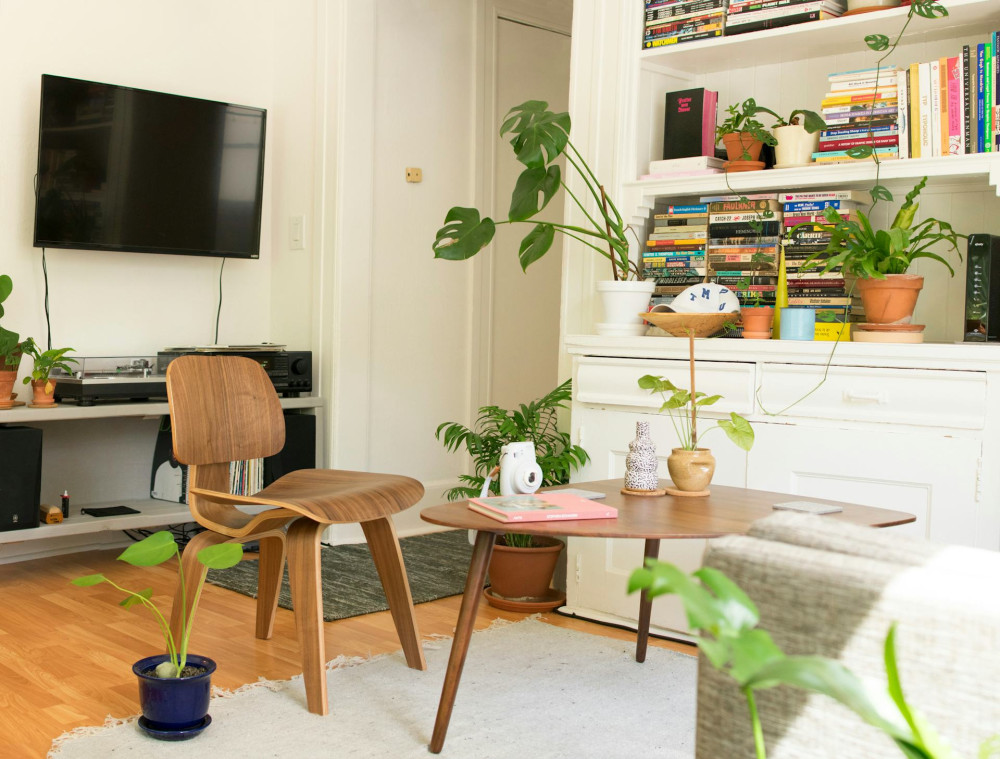
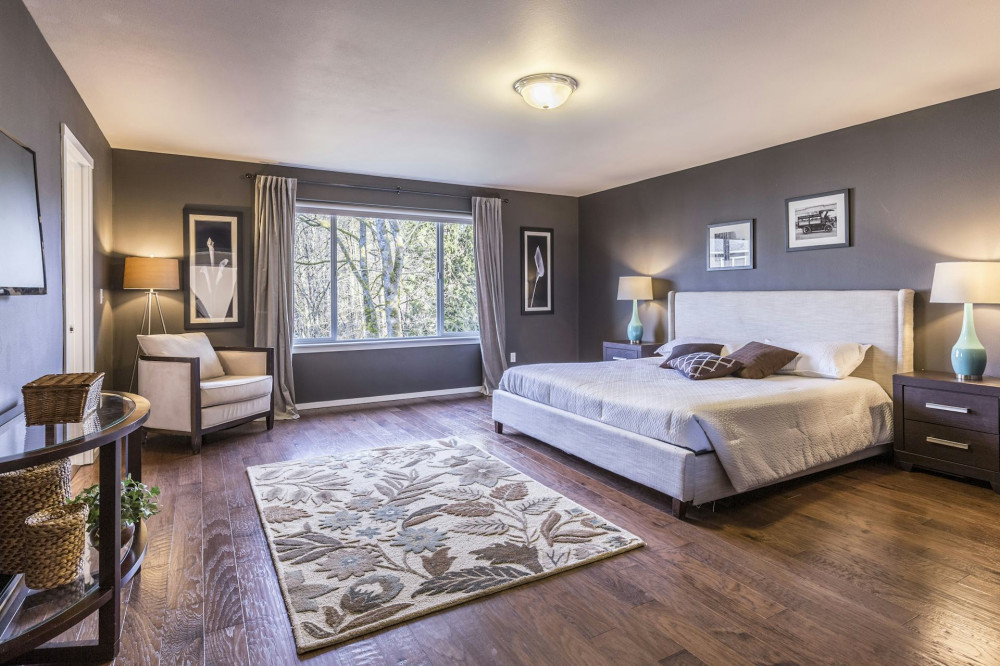
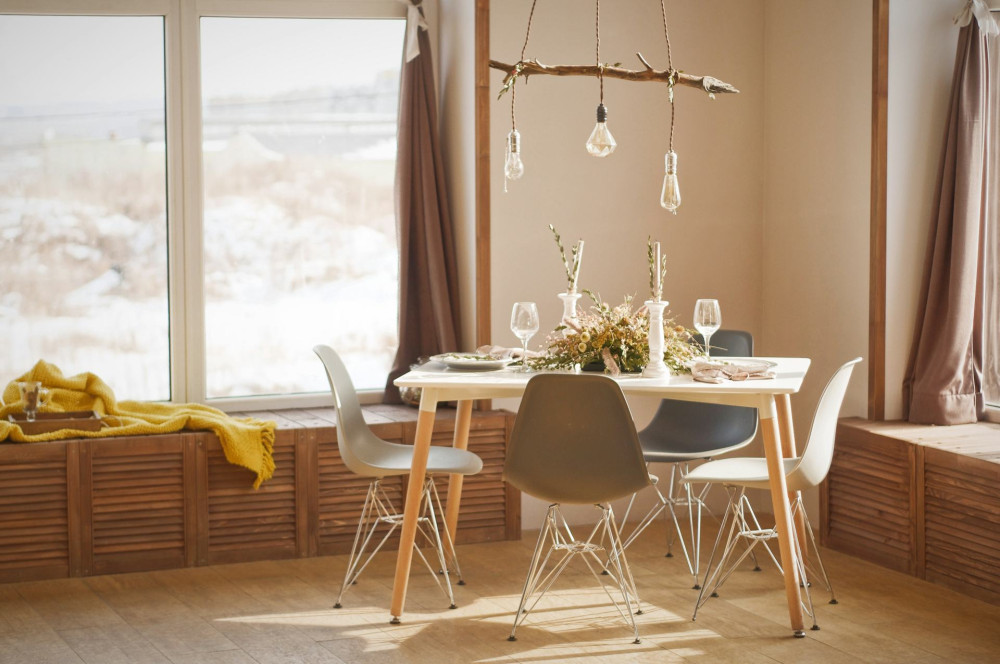
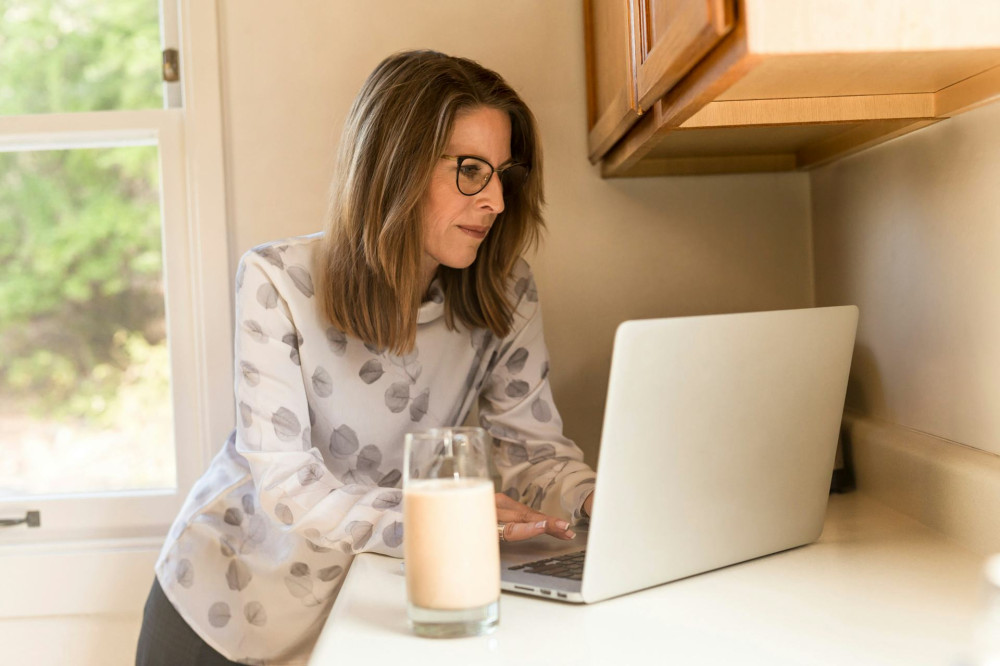
Recent years have shown that our homes need to do more than ever before. The living room might double as a workspace, a gym, or a social hub. The kitchen has become both a cooking area and a meeting spot, while the bedroom can quickly transform into a quiet corner for online calls.
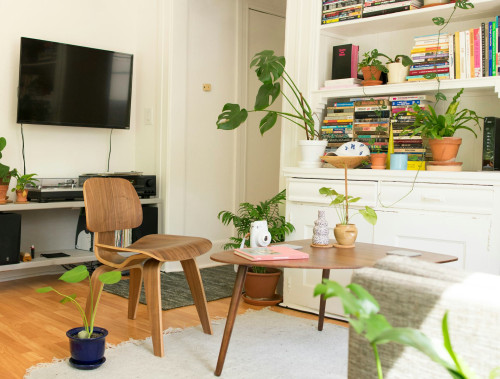
This shift has sparked a growing interest in multifunctional design. Sliding partitions, foldable walls, and dual-purpose furniture – such as sofa beds, extendable tables, and desks that can be tucked away – make it easy to change a room’s function throughout the day.
Flexibility Through Design and Technology
Technology plays a key role in creating flexible homes. Smart lighting, voice-controlled blinds, and zoned heating systems allow homeowners to adjust the atmosphere and energy use with ease.
At the same time, modular design is gaining popularity. Furniture and storage systems that can be reconfigured, expanded, or relocated make it possible to adapt a home without major renovations or new purchases. This approach suits both renters and homeowners who want to make the most of their space.
Smaller Spaces, Greater Freedom
With rising property prices and a growing interest in sustainable living, many people in the UK are choosing to live in smaller homes. From compact city flats to converted garden studios, limited space has inspired creative solutions that maximise every square metre.
In these homes, flexibility is essential. Vertical storage, foldaway furniture, and clever use of under-stair or loft areas help create a sense of openness and freedom – even in the smallest spaces. The result is a home that feels both efficient and comfortable.
Spaces That Evolve With Life
A flexible home is not just about furniture or gadgets; it’s about adapting to life’s changes. A nursery can become a study once the children grow up. A guest room can double as a craft space or home gym.
Architects and interior designers are increasingly working with adaptable layouts, where walls can be moved or rooms reconfigured as needs evolve. This makes homes more resilient – not only structurally, but also in how they support the people who live in them.
Læs også:


Sustainability and Conscious Living
Flexibility goes hand in hand with sustainability. When a home can be adapted rather than replaced, it saves both resources and money. Many homeowners are now investing in high-quality, repairable furniture that can be repainted, reupholstered, or repurposed over time.
There’s also a growing interest in circular design and sharing economies – swapping, borrowing, or buying second-hand furniture to refresh interiors without unnecessary waste. This approach aligns with the UK’s increasing focus on sustainable consumption and mindful living.
A Home That Moves With You
Flexible homes reflect a new way of thinking about living spaces: as dynamic, evolving environments. Instead of designing a home once and for all, we’re creating spaces that grow and change with us.
Whether you live in a compact London flat or a spacious countryside house, the goal is the same – to build a home that fits your everyday life, today and in the years to come. A flexible home isn’t just practical; it’s a way to make room for life’s many phases and possibilities.
Læs også: