Small Spaces, Big Impact: How to Make Your Room Feel Larger

Small Spaces, Big Impact: How to Make Your Room Feel Larger
Small homes can be both cosy and practical – if they’re designed with care. Whether you live in a studio flat, a terraced house, or simply have a few rooms that feel cramped, there are simple ways to make your space appear bigger, brighter, and more inviting. Here’s how to create a sense of openness and balance, even in the smallest corners of your home.
Think in Zones – Not Walls
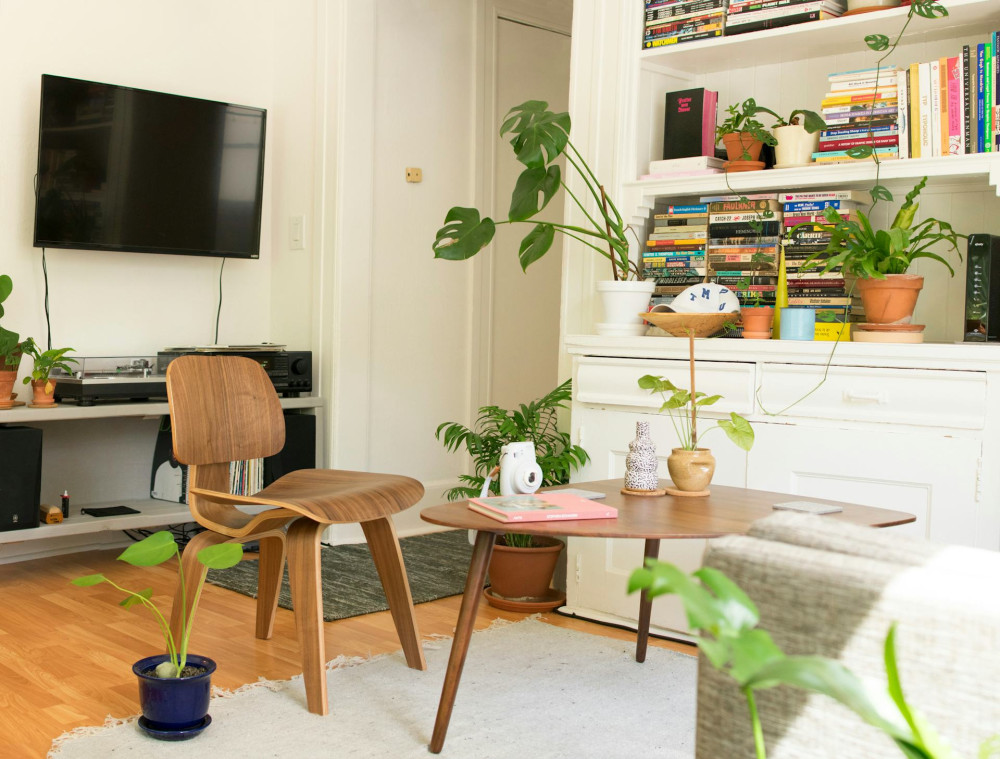
When space is limited, it’s all about making every inch count without overcrowding the room. Instead of dividing areas with walls or bulky furniture, create zones using rugs, lighting, or furniture placement. A rug under the dining table can define the eating area, while a floor lamp and armchair can mark out a cosy reading nook.
By focusing on functions rather than separate rooms, you’ll achieve a more flexible layout where spaces flow naturally together – and avoid the heavy, boxed-in feeling that walls can create.
Light and Colour Make the Difference
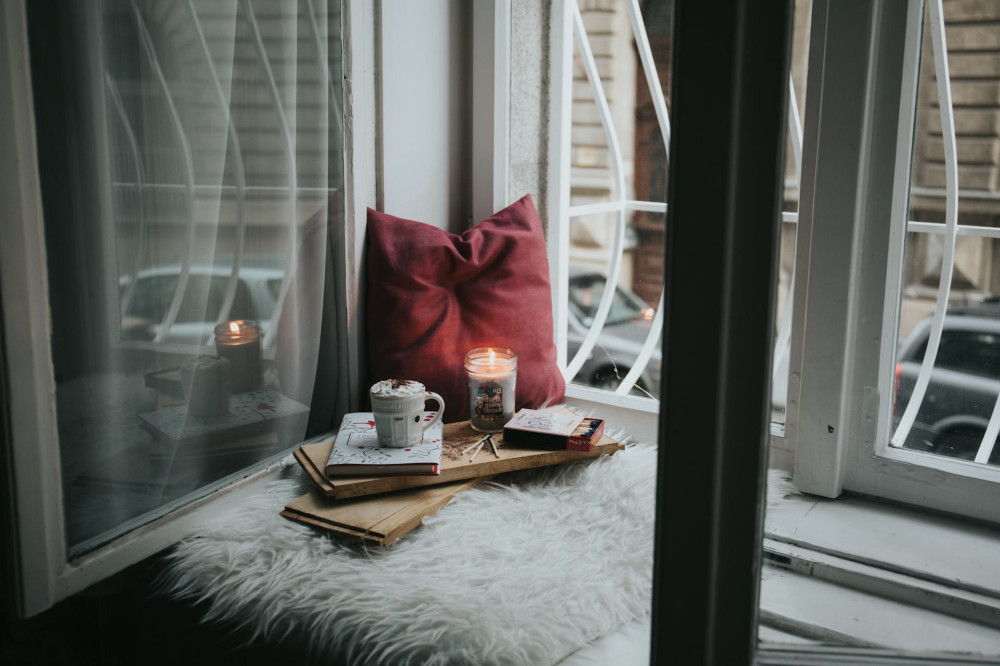
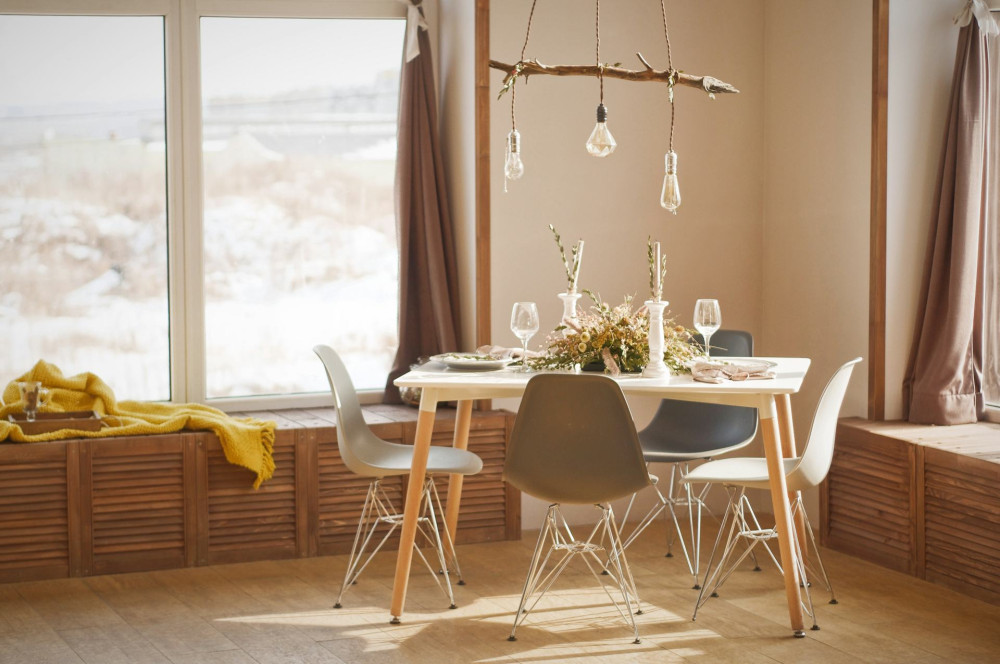
Light is the most powerful tool for making a room feel larger. Make the most of natural daylight by choosing sheer curtains or blinds that can be pulled right back. Avoid heavy fabrics that block light and make the space feel smaller.
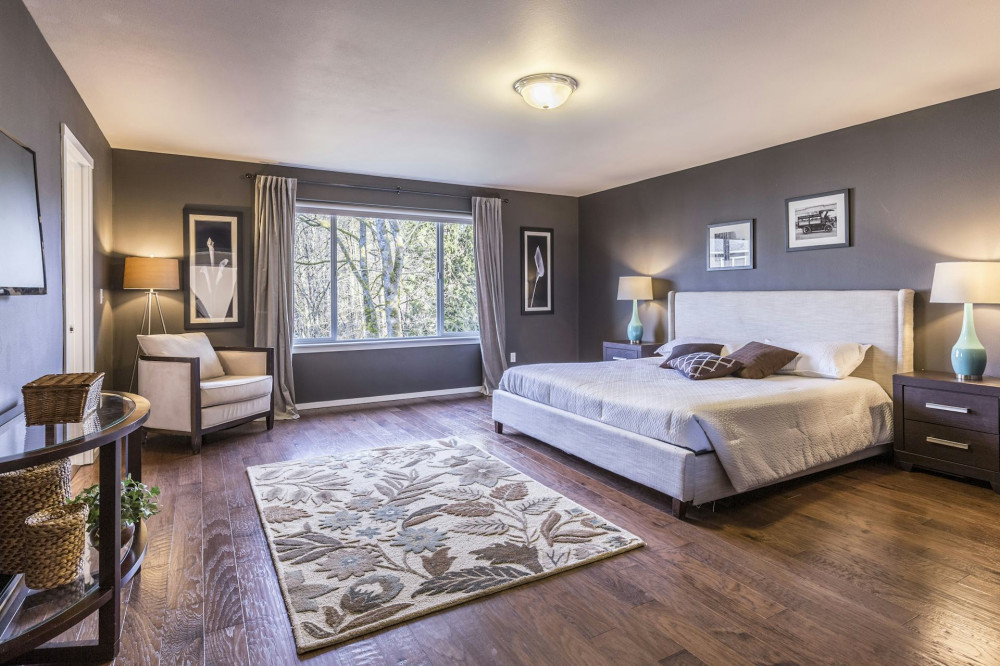
Colour also plays a key role. Light shades on walls and ceilings reflect light and create a sense of spaciousness. That doesn’t mean everything has to be white – soft greys, warm neutrals, or gentle pastels can add warmth and depth without feeling claustrophobic. For contrast, try painting one feature wall in a darker tone to add character and dimension.
Furniture That Works Harder
In small homes, furniture needs to earn its place. A sofa bed, an extendable dining table, or a bench with hidden storage can free up valuable space. Foldable or lightweight pieces that can be moved easily offer flexibility for everyday living.
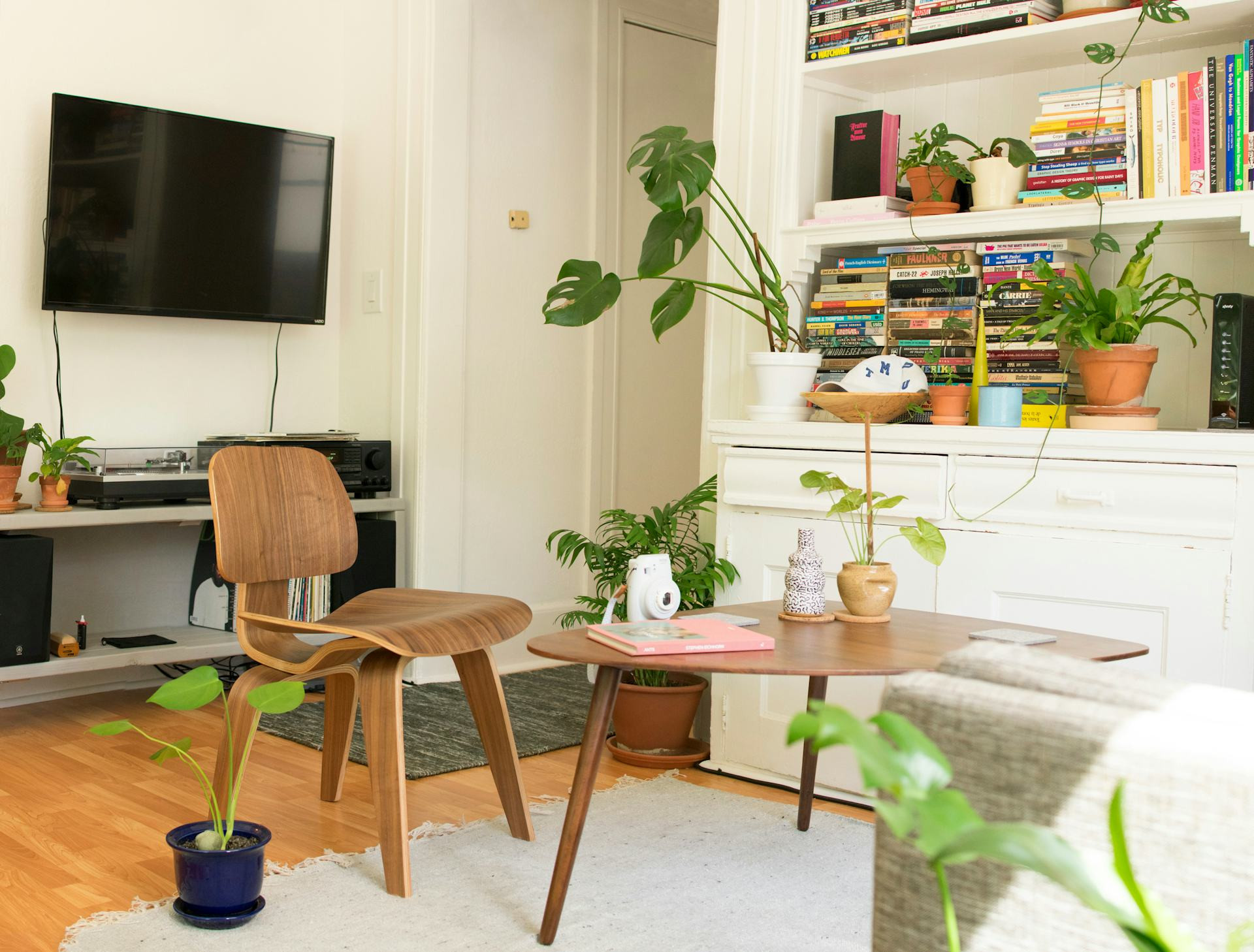
Think about visual lightness too: furniture with slim legs, glass tops, or open frames allows the eye to travel through the space, making it feel less crowded. Avoid large, dark pieces that dominate the room and take up too much visual space.
Keep It Tidy – and Hide the Clutter
Clutter makes even the biggest room feel smaller. In compact homes, smart storage is essential. Use your wall space with shelves, cupboards, and hooks, and make the most of vertical height right up to the ceiling. Baskets, boxes, and drawers can help keep smaller items organised.
A good rule of thumb is to use closed storage for things you don’t need every day, and open shelving for items you want to display. This balance keeps your space functional yet stylish.
Mirrors and Perspective
Mirrors are a classic trick for creating the illusion of more space. Place a large mirror opposite a window to reflect light, or use several smaller mirrors as part of your wall décor. They add both depth and movement to a room.
You can also play with perspective by positioning furniture diagonally or using rugs and artwork that draw the eye through the space. This visual direction makes the room feel longer and more expansive.
Læs også:
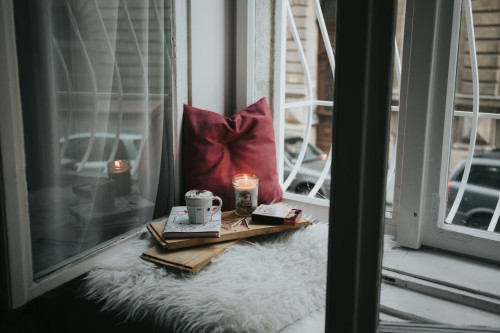


Keep It Simple – but Personal
Minimalism doesn’t have to mean bland. A simple, uncluttered look can bring calm and clarity. Choose a few meaningful pieces – a framed print, a plant, or a statement lamp – that reflect your personality. The goal is to create a home that feels airy and open, yet still uniquely yours.
When decorating small spaces, it’s often the little changes that make the biggest difference. With thoughtful choices in colour, light, furniture, and storage, you can transform even the tiniest room into a space that feels open, harmonious, and completely your own.
Læs også: