Natural Transitions: Creating Flow Between Kitchen, Dining Area and Living Room


Natural Transitions: Creating Flow Between Kitchen, Dining Area and Living Room
In many British homes, open-plan living has become the new standard. The kitchen, dining area and living room often merge into one shared space, creating light, openness and a sense of togetherness. But with that freedom comes the challenge of making the space feel cohesive and comfortable. How do you design a room that’s both practical and inviting, where each area has its own identity yet feels part of a whole? Here’s how to create natural transitions that make your home flow beautifully.
Think in Zones – Not Walls
When walls come down, zoning becomes key. Instead of separating areas with partitions, use furniture, rugs, lighting and materials to define each zone. A sofa can subtly mark the shift from dining to living space, while a large rug anchors the seating area and gives it a sense of purpose.
In the kitchen, a breakfast bar or island can act as a gentle boundary between cooking and dining areas without blocking sightlines or conversation. This keeps the space open while still providing structure and function.
Læs også:


Create Harmony with Colours and Materials
A consistent colour palette is one of the simplest ways to bring unity to an open-plan space. Choose a base tone that runs through all zones – perhaps a soft neutral on the walls or a warm wood finish – and then layer in accent colours to add depth and character.
Materials also play a vital role. If you have oak flooring in the living area, echo that tone in your dining table or kitchen worktop. Repeating textures and finishes – whether in wood, metal or fabric – ties the spaces together and makes the design feel intentional.
Lighting That Sets the Mood
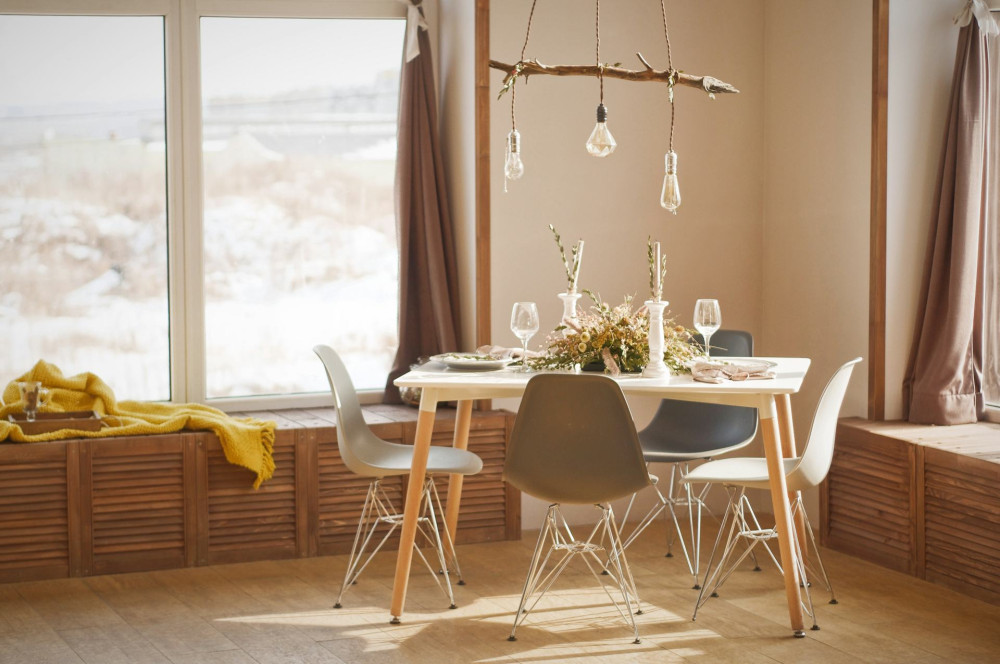
Lighting can make or break the flow of an open-plan room. Think in layers: ambient lighting for general illumination, task lighting for cooking or reading, and accent lighting for atmosphere. A statement pendant above the dining table can serve as a visual anchor, while dimmable lamps in the living area create warmth and flexibility.
In the kitchen, practical lighting is essential, but you can soften the look with under-cabinet or shelf lighting. When the lighting across zones shares a similar tone or warmth, the whole space feels connected and balanced.
Furniture That Speaks the Same Language
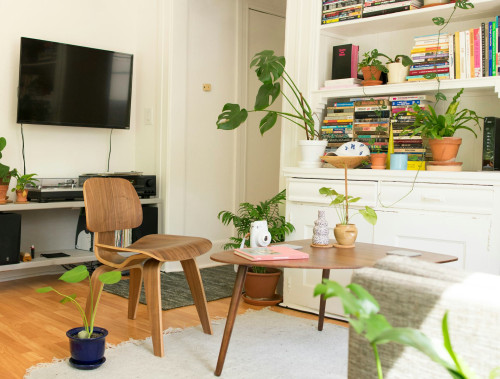
Each area has its own function, but the furniture should still feel like part of the same story. A heavy, traditional dining table might clash with sleek, modern sofas – and vice versa. Aim for a balance where shapes, materials and proportions complement one another.
Try pulling furniture slightly away from the walls to create a sense of movement and openness. This not only improves flow but also makes the space feel more inviting and lived-in.
Greenery as a Natural Link
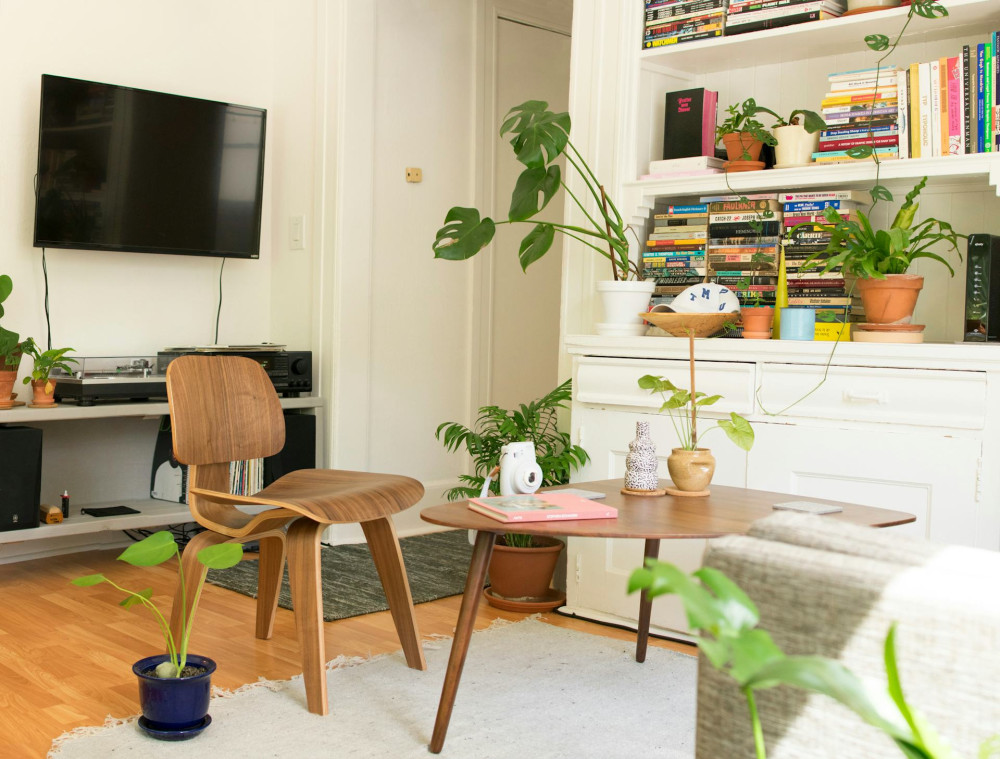
Plants are a simple yet powerful way to connect different zones. They bring life, colour and freshness, softening transitions between areas. A tall plant placed between the dining and living zones can act as a natural divider, while smaller potted herbs or succulents on shelves and counters tie the spaces together.
Mix plants of varying heights and textures to create visual interest without cluttering the space.
Sound and Comfort
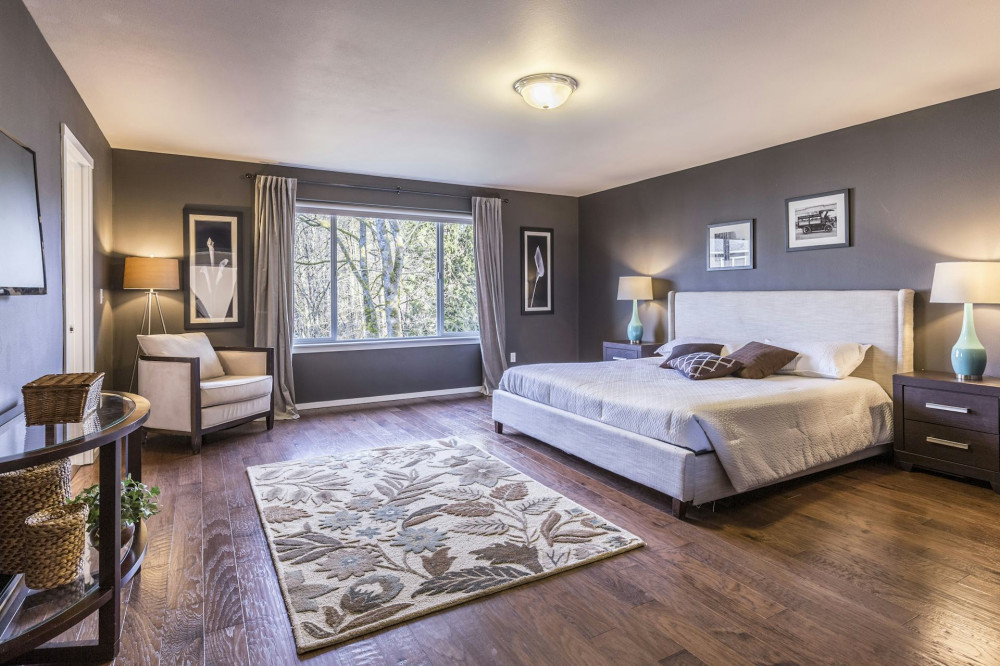
Open-plan living can sometimes mean more noise. Hard surfaces like tiles and glass amplify sound, so it’s worth adding soft furnishings, rugs and curtains to absorb it. These elements not only improve acoustics but also add warmth and comfort – essential for a space where cooking, dining and relaxing all happen at once.
A Home That Flows Naturally
Creating flow between your kitchen, dining area and living room isn’t about making everything match. It’s about designing a space that feels connected yet distinct – where each zone serves its purpose but contributes to a harmonious whole. By thinking in zones, coordinating colours and materials, layering your lighting and adding natural touches, you can craft a home that feels effortless, functional and beautifully balanced – a place where everyday life moves naturally from one moment to the next.
Læs også: